
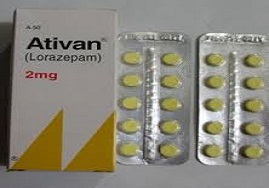
Ativan, also known by its generic name lorazepam, is a prescription medication widely used for the short-term management of anxiety and related conditions. It belongs to a class of drugs called benzodiazepines, which work by calming the central nervous system. As a result, it helps reduce excessive brain activity that leads to anxiety, restlessness, and tension.
In this article, we will explore Ativan 2mg in detail, including its uses, dosage guidelines, effects, and important safety considerations. Additionally, we will discuss how it works and what precautions patients should keep in mind.
What Is Ativan (Lorazepam)?
To begin with, Ativan is a central nervous system depressant that enhances the activity of a neurotransmitter called GABA (gamma-aminobutyric acid). This chemical plays a key role in slowing down brain activity and promoting relaxation.
Therefore, when Ativan increases GABA activity, it produces calming, sedative, and anti-anxiety effects. Because of this mechanism, it is often prescribed for individuals experiencing acute anxiety or panic symptoms.
Moreover, Ativan works relatively quickly compared to some other anti-anxiety medications, which makes it useful in urgent situations.
Medical Uses of Ativan 2mg
Ativan 2mg is prescribed for several medical conditions. Most commonly, it is used for the short-term relief of anxiety disorders. In addition, it may also be used in other clinical situations depending on patient needs.
1. Anxiety Disorders
Primarily, Ativan is prescribed to manage symptoms of anxiety such as excessive worry, restlessness, irritability, and tension. As a result, patients often experience short-term emotional relief.
2. Insomnia Related to Anxiety
Furthermore, Ativan may be used when anxiety interferes with sleep. In such cases, it helps promote relaxation and improves sleep quality temporarily.
3. Preoperative Sedation
In medical settings, Ativan is sometimes given before surgical procedures. This helps patients remain calm and reduces pre-surgery anxiety.
4. Seizure Control
Additionally, lorazepam can be used in emergency situations to control seizures due to its fast-acting sedative properties.
5. Hospital Sedation
In critical care environments, it may also be used to manage agitation or severe restlessness.
How Ativan 2mg Works
To understand its effectiveness, it is important to know how Ativan works in the brain. As mentioned earlier, it enhances the effect of GABA neurotransmitters, which slow down overactive nerve signals.
Consequently, this leads to:
- Reduced anxiety levels
- Muscle relaxation
- Calming of the nervous system
- Sedation and sleepiness
In other words, Ativan helps restore balance in brain activity, especially during periods of extreme stress or anxiety.
Dosage Information for Ativan 2mg
When it comes to dosage, Ativan must always be taken under medical supervision. Typically, the dosage depends on the severity of symptoms, age, and overall health condition of the patient.
Usual Adult Dosage
Generally, for anxiety treatment, doctors may prescribe between 1mg to 3mg per day, divided into smaller doses. In this context, 2mg is often considered a moderate dose.
Important Guidelines
Moreover, Ativan is usually prescribed for short-term use only, often 2 to 4 weeks. This is because long-term use may increase the risk of dependence.
In addition, patients should never increase or reduce the dosage without consulting a healthcare provider.
Effects of Ativan 2mg
Ativan produces both therapeutic and side effects. On the positive side, it helps reduce anxiety and promotes relaxation.
Positive Effects
- Reduced anxiety and panic symptoms
- Improved sleep in anxiety-related insomnia
- Muscle relaxation
- Emotional calmness
However, alongside these benefits, some side effects may also occur.
Common Side Effects
- Drowsiness
- Dizziness
- Fatigue
- Reduced coordination
- Mild confusion
As a result, users are often advised to avoid activities requiring alertness, such as driving.
Risks and Safety Concerns
Although Ativan is effective, it should be used with caution. First and foremost, one of the major risks is dependence. With prolonged use, the body may become accustomed to the medication.
Consequently, stopping it suddenly can lead to withdrawal symptoms such as:
- Increased anxiety
- Insomnia
- Irritability
- Tremors
Furthermore, combining Ativan with alcohol or other sedatives can be dangerous. It may lead to excessive drowsiness or breathing difficulties.
Who Should Be Careful?
In addition, certain individuals should use Ativan only under strict medical guidance. These include:
- Elderly patients, due to increased sensitivity
- Individuals with a history of substance use disorder
- Patients with liver or kidney conditions
- Pregnant or breastfeeding women (only if prescribed)
Therefore, proper evaluation is necessary before starting treatment.
Drug Interactions
Ativan may interact with several other substances. For instance, combining it with alcohol, opioid medications, or sleep aids can intensify sedative effects.
As a result, this combination may increase the risk of serious side effects, including extreme drowsiness and respiratory depression.
Lifestyle and Safety Tips
While taking Ativan, patients should follow important safety practices. For example:
- Avoid alcohol completely
- Do not operate heavy machinery
- Take the medication exactly as prescribed
- Attend regular medical follow-ups
Additionally, combining medication with lifestyle improvements such as stress management, therapy, and proper sleep hygiene can significantly improve long-term outcomes.

Logan Cooper –
I recently used RiteAidPharmacy, and I’m impressed, The order process was straightforward, the delivery was prompt, and my medication arrived safely. The team was responsive and helpful, making the whole experience feel personal and reliable.