
Buy Ativan Online
Introduction to Neurological Illnesses and Treatment
As a digital world is rapidly growing with their tools and techniques, the cases of neurological illness are massively building around the world. Researchers address that generation Z highly access certain types of electronic devices and social media that contribute to mismatch brain function. They need immediate treatment, but finding the best one is the main task. Besides this, Ativan medicine plays a vital role in overcoming these issues. Make your journey smoother by buying Ativan online.
Here, we talk about the works, dose strengths, aftereffects, and doctors point of view, along with the science behind anxiety.
Information about Ativan and how it works?
Ativan is commonly known as lorazepam, which belongs to the medication of benzodiazepines, used to treat and manage the signs or stages of anxiety or depression.
Ativan is also recommended for off-label purposes, including sleep disorder and alcohol withdrawal, that control further symptoms in a short while.
The medicine acts on the central nervous system, slowing down activities of the brain and the nerve, enhancing the function of neurotransmitters by releasing calmness in the mind. Users feel positive and physically relaxed.
It’s not just stopping stages or signs of psychological disorder along with that holding painful spasms or preventing life-threatening seizures.
Dosage strengths of Ativan tablets
Ativan medicine is available in two forms, including Ativan oral tablets and Loreev XR.
- 0.5 mg oral tablets
- 1 mg oral tablets
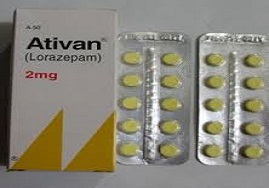
- 2 mg oral tablets
- 2 mg/mL oral concentrate
- 0.5 mg XR capsule
- 1 mg XR capsule
- 2 mg XR capsule
Make sure you take your tablets at the same time every day to maintain steady levels in your body, although you can crush or chew them.
Follow instructions and directions that are mentioned on labels by doctors. These practices lower risks of overdose and abuse.
One study described that over-consumption of medication poses serious after-effects; under the Ativan pills, it leads to:
- Nausea
- Dizziness
- Diarrhea
- Upset stomach
- Allergic reactions
- and liver damage
Whenever you take medicine, rest at least 2 to 4 hours, helping the tablet to work properly.
Now, discuss the science behind anxiety.
The Science Behind Anxiety
Anxiety disorder is differ from normal nervousness, fear, sweating and irritability or restlessness. In this condition, our brain’s waves, neurotransmitters, and hormones interchange with each other at a complex rate, which results in a “fight or flight” outcome or individuals being unable to control their own emotions.
Furthermore, neurotransmitters play an important role in regulating mood, emotions, and stress as well as anxiety, but when there are imbalances of neurotransmitters contributing to building signs of anxiety, mess.
Experts identify 333 grounding techniques & roles that help to moderate the symptoms of anxiety. It is an effective coping strategy to manage disorders through engaging activities like drawing, singing, dancing, etc., to make your attention in a present environment.
333 roles refer to grounding techniques, including three things you can see, three things you can hear, or those thighs you can move or touch, which play a key role in shifting the mind from unwanted things. While lifting up calmness, focusing ability, or distracting the mind from unnecessary thoughts.
Anxiety in the United States
Anxiety is one of the most common mental health conditions in the United States, affecting millions of adults every year. While occasional stress is normal, ongoing anxiety can impact sleep, relationships, work performance, and overall emotional well-being. According to the Anxiety & Depression Association of America (ADAA), nearly one-third of Americans experience anxiety symptoms in their lifetime, and over 40 million adults are affected annually.
Despite its prevalence, many people do not receive proper treatment. Research shows that only about 43% of individuals with Generalized Anxiety Disorder (GAD) seek professional help. Without treatment, anxiety can worsen and contribute to depression, panic attacks, substance misuse, and social withdrawal.
Some individuals attempt to self-manage symptoms using alcohol, over-the-counter sleep aids, or prescription medications without medical guidance. However, medical experts warn that misuse of sedatives and benzodiazepines can increase dependency risks and negatively impact mental health over time.
Ativan (lorazepam) is a prescription benzodiazepine sometimes used for short-term anxiety relief and panic symptoms. It works by calming brain activity, but because it carries a risk of dependence, it must only be used under a doctor’s supervision.
Although many people search online for ways to buy Ativan without a prescription, the U.S. FDA warns that unverified online pharmacies may sell counterfeit or unsafe medications, posing serious health and legal risks.
For safer results, mental health professionals recommend evidence-based treatments such as Cognitive Behavioral Therapy (CBT), lifestyle changes, stress management techniques, and medically supervised care when needed.
Understanding anxiety and the risks of improper medication use is essential for making safe and informed decisions about long-term mental health.
What is Ativan?
Ativan is the brand name for lorazepam. It is a short-acting benzodiazepine medication that works by enhancing the effects of gamma-aminobutyric acid (GABA). GABA is a neurotransmitter in your brain that communicates with various parts of the body where symptoms of anxiety may appear. Ativan’s ability to increase GABA activity and slow excessive brain activity produces a calming and sedative effect, which can help reduce anxiety and the stress caused by it.
It is commonly prescribed to treat the following conditions:
– Reducing symptoms of anxiety disorders
– Depression caused by anxiety
– Anxiety before surgery (usually administered intravenously beforehand)
– Status epilepticus — a dangerous type of seizure lasting more than five minutes
Ativan Usage Statistics
Statistics related to Ativan — and benzodiazepines in general — highlight both the therapeutic and medical importance of this medication as well as its potential for misuse:
– In 2019, more than 92 million benzodiazepine prescriptions (including lorazepam) were written.
– In 2020, 16.1 million people misused prescription psychotherapeutic drugs — including 4.8 million people who misused benzodiazepines such as lorazepam.
– In a 2021 study, 68% of participants reported that they had received a benzodiazepine prescription at some point in their lives, while 26% reported long-term misuse.
– According to the Benzodiazepine Information Coalition, benzodiazepines were involved in nearly one-third of prescription overdose deaths in 2013, second only to opioids.
– Between 2000 and 2018, deaths caused by benzodiazepine overdoses increased eightfold.
– Regarding the frequent combined use of these drugs with other substances, a survey by the U.S. Department of Veterans Affairs found that 15% of participants admitted to combining benzodiazepines with heroin.
– Older adults have higher rates of benzodiazepine use compared to younger adults.
Do I Need a Prescription for Ativan?
Yes — for the treatment of anxiety, Ativan or any other benzodiazepine is medically and legally available only through a doctor’s prescription.
To obtain Ativan legally, you will need to schedule an appointment with a qualified mental or behavioral health specialist. During this evaluation, you will discuss your symptoms in detail — how often they occur and how they interfere with your daily life and functioning. You may also be asked about a family history of anxiety disorders or other addiction and mental health issues that may coexist with anxiety.
However, the next step is not immediately prescribing medication. In fact, people beginning treatment often do not encounter this stage until later in the process. The first step in treating anxiety is usually starting therapy with a counselor or psychologist to identify the root causes of your anxiety. With each session, you gradually begin to understand how anxiety affects you mentally, emotionally, and even physically. The shared goal of therapy is to help you confront the causes of your anxiety and reduce your fears by reshaping your thought patterns from a new perspective, developing more positive thinking, greater self-confidence, and practical coping skills to better handle anxiety-inducing moments in life.
In summary, the goal of therapy-based treatment is to help you overcome your anxiety on your own without relying on medication. However, depending on the severity of your condition or the progress made in therapy, your therapist may determine that short-term use of medication could be appropriate.
Who can write a prescription for Ativan?
Only licensed medical professionals—such as primary care physicians, psychiatrists, or nurse practitioners—can write a prescription for Ativan. If you are undergoing therapy for anxiety and your therapist recommends medication, you will be referred to a psychiatrist. They will determine whether taking medication is appropriate for your condition.
After consulting with you and reviewing your treatment history with your therapist, they will write a prescription for you. In this prescription, they will determine the correct dosage and duration of treatment to maximize the benefits of the medication while minimizing any potential risks to you.
As you begin taking Ativan exactly as prescribed, you will also continue your talk therapy. During this time, your therapist will monitor how your body responds to the medication, check for any side effects, and adjust your treatment plan as needed.
Anxiety Statistics
- Prevalence: Anxiety disorders affect around 40 million U.S. adults annually, nearly 19% of the population (ADAA).
- Gender impact: Women are more likely than men to develop conditions such as GAD, OCD, and PTSD.
- Age of onset: Most anxiety symptoms begin before age 21 (NAMI).
- Severity levels: About 23% experience severe symptoms, while 33.7% have moderate impairment (NIMH).
- Co-occurring disorders: Over 17% of people with substance use disorders also have anxiety (AMA).
- Global impact: Anxiety disorders contribute to an estimated $6.5 trillion global economic burden annually.
Is It Legal to Obtain Ativan Without a Prescription?
In the United States, it is not legal to purchase Ativan (lorazepam) without a valid prescription from a licensed healthcare provider. Ativan is a controlled prescription medication, and its use must be supervised by a qualified medical professional.
Attempting to forge, falsify, or obtain a prescription illegally can result in serious legal consequences, including criminal charges. In addition, possessing or distributing prescription medications without proper authorization is considered illegal in most U.S. states due to significant public health and safety concerns.
As noted by the National Drug Intelligence Center:
“It is illegal to use prescription drugs without a valid prescription or to distribute them. The penalties associated with the abuse or illegal distribution of prescription drugs vary depending upon the drug type.”
Risks and Side Effects of Ativan
While Ativan can be effective for short-term anxiety relief, it also carries important risks, including:
- Drowsiness and sedation
- Memory problems or confusion
- Reduced coordination
- Risk of dependence with prolonged use
- Withdrawal symptoms if stopped suddenly
- Increased anxiety after long-term use
Because of these risks, Ativan is generally prescribed for short-term use only.
Why Self-Medication for Anxiety Is Dangerous
Many individuals with untreated anxiety attempt to self-medicate using alcohol, sleeping pills, or unauthorized medications. However, this can:
- Worsen anxiety symptoms over time
- Increase the risk of substance dependence
- Delay proper mental health treatment
- Lead to serious physical and emotional complications
Medical experts strongly recommend professional diagnosis and treatment instead of self-medication.
Safer and Effective Anxiety Treatment Options
Instead of relying on unsupervised medication use, anxiety is best managed through a combination of:
Therapy-Based Treatments
- Cognitive Behavioral Therapy (CBT)
- Exposure therapy
- Acceptance and Commitment Therapy (ACT)
Lifestyle Approaches
- Regular physical activity
- Sleep improvement strategies
- Stress management techniques
- Mindfulness and meditation
Medical Treatment (When Needed)
- Short-term prescription medications under doctor supervision
- Regular monitoring by mental health professionals
Ativan is a medically valuable medication when used correctly under professional supervision. However, due to its potential for dependence and misuse, it is tightly regulated in the United States and cannot be obtained without a prescription.
The safest and most effective approach to anxiety is not self-treatment, but professional mental health care, which addresses both symptoms and underlying causes for long-term recovery and stability.
Showing all 2 results
-
Ativan 1mg
Buy Ativan Online Price range: $205.00 through $1,522.00Clear30 Pills60 Pills90 Pills180 Pills360 Pills -
Ativan 2mg
Buy Ativan Online Price range: $205.00 through $1,229.00Clear30 Pills60 Pills90 Pills180 Pills360 Pills

Introduction to Neurological Illnesses and Treatment
As a digital world is rapidly growing with their tools and techniques, the cases of neurological illness are massively building around the world. Researchers address that generation Z highly access certain types of electronic devices and social media that contribute to mismatch brain function. They need immediate treatment, but finding the best one is the main task. Besides this, Ativan medicine plays a vital role in overcoming these issues. Make your journey smoother by buying Ativan online.
Here, we talk about the works, dose strengths, aftereffects, and doctors point of view, along with the science behind anxiety.
Information about Ativan and how it works?
Ativan is commonly known as lorazepam, which belongs to the medication of benzodiazepines, used to treat and manage the signs or stages of anxiety or depression.
Ativan is also recommended for off-label purposes, including sleep disorder and alcohol withdrawal, that control further symptoms in a short while.
The medicine acts on the central nervous system, slowing down activities of the brain and the nerve, enhancing the function of neurotransmitters by releasing calmness in the mind. Users feel positive and physically relaxed.
It’s not just stopping stages or signs of psychological disorder along with that holding painful spasms or preventing life-threatening seizures.
Dosage strengths of Ativan tablets
Ativan medicine is available in two forms, including Ativan oral tablets and Loreev XR.
- 0.5 mg oral tablets
- 1 mg oral tablets
- 2 mg oral tablets
- 2 mg/mL oral concentrate
- 0.5 mg XR capsule
- 1 mg XR capsule
- 2 mg XR capsule
Make sure you take your tablets at the same time every day to maintain steady levels in your body, although you can crush or chew them.
Follow instructions and directions that are mentioned on labels by doctors. These practices lower risks of overdose and abuse.
One study described that over-consumption of medication poses serious after-effects; under the Ativan pills, it leads to:
- Nausea
- Dizziness
- Diarrhea
- Upset stomach
- Allergic reactions
- and liver damage
Whenever you take medicine, rest at least 2 to 4 hours, helping the tablet to work properly.
Now, discuss the science behind anxiety.
The Science Behind Anxiety
Anxiety disorder is differ from normal nervousness, fear, sweating and irritability or restlessness. In this condition, our brain’s waves, neurotransmitters, and hormones interchange with each other at a complex rate, which results in a “fight or flight” outcome or individuals being unable to control their own emotions.
Furthermore, neurotransmitters play an important role in regulating mood, emotions, and stress as well as anxiety, but when there are imbalances of neurotransmitters contributing to building signs of anxiety, mess.
Experts identify 333 grounding techniques & roles that help to moderate the symptoms of anxiety. It is an effective coping strategy to manage disorders through engaging activities like drawing, singing, dancing, etc., to make your attention in a present environment.
333 roles refer to grounding techniques, including three things you can see, three things you can hear, or those thighs you can move or touch, which play a key role in shifting the mind from unwanted things. While lifting up calmness, focusing ability, or distracting the mind from unnecessary thoughts.
Anxiety in the United States
Anxiety is one of the most common mental health conditions in the United States, affecting millions of adults every year. While occasional stress is normal, ongoing anxiety can impact sleep, relationships, work performance, and overall emotional well-being. According to the Anxiety & Depression Association of America (ADAA), nearly one-third of Americans experience anxiety symptoms in their lifetime, and over 40 million adults are affected annually.
Despite its prevalence, many people do not receive proper treatment. Research shows that only about 43% of individuals with Generalized Anxiety Disorder (GAD) seek professional help. Without treatment, anxiety can worsen and contribute to depression, panic attacks, substance misuse, and social withdrawal.
Some individuals attempt to self-manage symptoms using alcohol, over-the-counter sleep aids, or prescription medications without medical guidance. However, medical experts warn that misuse of sedatives and benzodiazepines can increase dependency risks and negatively impact mental health over time.
Ativan (lorazepam) is a prescription benzodiazepine sometimes used for short-term anxiety relief and panic symptoms. It works by calming brain activity, but because it carries a risk of dependence, it must only be used under a doctor’s supervision.
Although many people search online for ways to buy Ativan without a prescription, the U.S. FDA warns that unverified online pharmacies may sell counterfeit or unsafe medications, posing serious health and legal risks.
For safer results, mental health professionals recommend evidence-based treatments such as Cognitive Behavioral Therapy (CBT), lifestyle changes, stress management techniques, and medically supervised care when needed.
Understanding anxiety and the risks of improper medication use is essential for making safe and informed decisions about long-term mental health.
What is Ativan?
Ativan is the brand name for lorazepam. It is a short-acting benzodiazepine medication that works by enhancing the effects of gamma-aminobutyric acid (GABA). GABA is a neurotransmitter in your brain that communicates with various parts of the body where symptoms of anxiety may appear. Ativan’s ability to increase GABA activity and slow excessive brain activity produces a calming and sedative effect, which can help reduce anxiety and the stress caused by it.
It is commonly prescribed to treat the following conditions:
– Reducing symptoms of anxiety disorders
– Depression caused by anxiety
– Anxiety before surgery (usually administered intravenously beforehand)
– Status epilepticus — a dangerous type of seizure lasting more than five minutes
Ativan Usage Statistics
Statistics related to Ativan — and benzodiazepines in general — highlight both the therapeutic and medical importance of this medication as well as its potential for misuse:
– In 2019, more than 92 million benzodiazepine prescriptions (including lorazepam) were written.
– In 2020, 16.1 million people misused prescription psychotherapeutic drugs — including 4.8 million people who misused benzodiazepines such as lorazepam.
– In a 2021 study, 68% of participants reported that they had received a benzodiazepine prescription at some point in their lives, while 26% reported long-term misuse.
– According to the Benzodiazepine Information Coalition, benzodiazepines were involved in nearly one-third of prescription overdose deaths in 2013, second only to opioids.
– Between 2000 and 2018, deaths caused by benzodiazepine overdoses increased eightfold.
– Regarding the frequent combined use of these drugs with other substances, a survey by the U.S. Department of Veterans Affairs found that 15% of participants admitted to combining benzodiazepines with heroin.
– Older adults have higher rates of benzodiazepine use compared to younger adults.
Do I Need a Prescription for Ativan?
Yes — for the treatment of anxiety, Ativan or any other benzodiazepine is medically and legally available only through a doctor’s prescription.
To obtain Ativan legally, you will need to schedule an appointment with a qualified mental or behavioral health specialist. During this evaluation, you will discuss your symptoms in detail — how often they occur and how they interfere with your daily life and functioning. You may also be asked about a family history of anxiety disorders or other addiction and mental health issues that may coexist with anxiety.
However, the next step is not immediately prescribing medication. In fact, people beginning treatment often do not encounter this stage until later in the process. The first step in treating anxiety is usually starting therapy with a counselor or psychologist to identify the root causes of your anxiety. With each session, you gradually begin to understand how anxiety affects you mentally, emotionally, and even physically. The shared goal of therapy is to help you confront the causes of your anxiety and reduce your fears by reshaping your thought patterns from a new perspective, developing more positive thinking, greater self-confidence, and practical coping skills to better handle anxiety-inducing moments in life.
In summary, the goal of therapy-based treatment is to help you overcome your anxiety on your own without relying on medication. However, depending on the severity of your condition or the progress made in therapy, your therapist may determine that short-term use of medication could be appropriate.
Who can write a prescription for Ativan?
Only licensed medical professionals—such as primary care physicians, psychiatrists, or nurse practitioners—can write a prescription for Ativan. If you are undergoing therapy for anxiety and your therapist recommends medication, you will be referred to a psychiatrist. They will determine whether taking medication is appropriate for your condition.
After consulting with you and reviewing your treatment history with your therapist, they will write a prescription for you. In this prescription, they will determine the correct dosage and duration of treatment to maximize the benefits of the medication while minimizing any potential risks to you.
As you begin taking Ativan exactly as prescribed, you will also continue your talk therapy. During this time, your therapist will monitor how your body responds to the medication, check for any side effects, and adjust your treatment plan as needed.
Anxiety Statistics
- Prevalence: Anxiety disorders affect around 40 million U.S. adults annually, nearly 19% of the population (ADAA).
- Gender impact: Women are more likely than men to develop conditions such as GAD, OCD, and PTSD.
- Age of onset: Most anxiety symptoms begin before age 21 (NAMI).
- Severity levels: About 23% experience severe symptoms, while 33.7% have moderate impairment (NIMH).
- Co-occurring disorders: Over 17% of people with substance use disorders also have anxiety (AMA).
- Global impact: Anxiety disorders contribute to an estimated $6.5 trillion global economic burden annually.
Is It Legal to Obtain Ativan Without a Prescription?
In the United States, it is not legal to purchase Ativan (lorazepam) without a valid prescription from a licensed healthcare provider. Ativan is a controlled prescription medication, and its use must be supervised by a qualified medical professional.
Attempting to forge, falsify, or obtain a prescription illegally can result in serious legal consequences, including criminal charges. In addition, possessing or distributing prescription medications without proper authorization is considered illegal in most U.S. states due to significant public health and safety concerns.
As noted by the National Drug Intelligence Center:
“It is illegal to use prescription drugs without a valid prescription or to distribute them. The penalties associated with the abuse or illegal distribution of prescription drugs vary depending upon the drug type.”
Risks and Side Effects of Ativan
While Ativan can be effective for short-term anxiety relief, it also carries important risks, including:
- Drowsiness and sedation
- Memory problems or confusion
- Reduced coordination
- Risk of dependence with prolonged use
- Withdrawal symptoms if stopped suddenly
- Increased anxiety after long-term use
Because of these risks, Ativan is generally prescribed for short-term use only.
Why Self-Medication for Anxiety Is Dangerous
Many individuals with untreated anxiety attempt to self-medicate using alcohol, sleeping pills, or unauthorized medications. However, this can:
- Worsen anxiety symptoms over time
- Increase the risk of substance dependence
- Delay proper mental health treatment
- Lead to serious physical and emotional complications
Medical experts strongly recommend professional diagnosis and treatment instead of self-medication.
Safer and Effective Anxiety Treatment Options
Instead of relying on unsupervised medication use, anxiety is best managed through a combination of:
Therapy-Based Treatments
- Cognitive Behavioral Therapy (CBT)
- Exposure therapy
- Acceptance and Commitment Therapy (ACT)
Lifestyle Approaches
- Regular physical activity
- Sleep improvement strategies
- Stress management techniques
- Mindfulness and meditation
Medical Treatment (When Needed)
- Short-term prescription medications under doctor supervision
- Regular monitoring by mental health professionals
Ativan is a medically valuable medication when used correctly under professional supervision. However, due to its potential for dependence and misuse, it is tightly regulated in the United States and cannot be obtained without a prescription.
The safest and most effective approach to anxiety is not self-treatment, but professional mental health care, which addresses both symptoms and underlying causes for long-term recovery and stability.