
Buy Ambien Online
Sleep plays a vital role in maintaining physical health, emotional balance, and cognitive performance. However, millions of people worldwide struggle with insomnia—difficulty falling asleep, staying asleep, or both. One of the most commonly prescribed medications for short-term insomnia is Ambien.
This in-depth guide provides a comprehensive look at Ambien, including how it works, its uses, dosage, risks, safety considerations, and the latest research findings. The goal is to help you understand this medication clearly so you can make informed decisions about your sleep health.
What Is Ambien?
Ambien is a prescription sleep medication whose generic name is Zolpidem. It belongs to a class of drugs known as sedative–hypnotics, which are specifically designed to help people fall asleep.
Unlike older sleep medications such as benzodiazepines, Ambien is classified as a non-benzodiazepine hypnotic. This means it has a different chemical structure but works in a somewhat similar way—by calming brain activity.
Ambien is primarily intended for short-term treatment of insomnia, especially for people who have trouble falling asleep (sleep-onset insomnia). It is not typically the first-line treatment for chronic insomnia, where long-term strategies like behavioral therapy are often preferred.
Medical Purpose of Ambien
The main purpose of Ambien is to improve sleep by helping individuals fall asleep more quickly. It may also help some people stay asleep longer, depending on the formulation used.
Doctors prescribe Ambien for:
-
Acute or short-term insomnia
-
Temporary disruptions in sleep patterns (such as travel or schedule changes)
Ambien is usually recommended for short durations (1–2 weeks) because long-term use increases the risk of dependence and reduced effectiveness.
How Ambien Works (Mechanism of Action)
Understanding how Ambien works can help explain both its benefits and its risks.
The Role of GABA in Sleep
Ambien works by affecting a neurotransmitter in the brain called GABA (gamma-aminobutyric acid). GABA is the brain’s primary inhibitory chemical, meaning it slows down nerve activity.
When GABA activity increases:
-
Brain activity decreases
-
The body relaxes
-
Sleep becomes easier to initiate
Selective Action on GABA Receptors
What makes zolpidem unique is its selective binding to certain GABA-A receptors, particularly those involved in sleep regulation.
This selectivity:
-
Promotes sleep without strong muscle relaxation
-
Reduces anxiety-related effects compared to benzodiazepines
-
Lowers (but does not eliminate) the risk of dependency
Because of this targeted action, Ambien is effective for inducing sleep quickly—often within 15 to 30 minutes.
Common Uses and Indications
Ambien is widely used in clinical practice, mainly for sleep-related issues.
Short-Term Insomnia
This is the most common use. Ambien helps people who:
-
Lie awake for long periods before falling asleep
-
Experience difficulty initiating sleep
Stress-Related Sleep Problems
Temporary life events such as:
-
Work pressure
-
Emotional distress
-
Major life changes
can disrupt sleep. Ambien may be used briefly during these periods.
Jet Lag and Travel
Doctors sometimes prescribe Ambien for individuals experiencing sleep disturbances due to:
-
Crossing time zones
-
Irregular travel schedules
Ambien for Insomnia: Uses, Access, and Safety Considerations
Struggling to fall asleep or stay asleep through the night can affect every part of your day. Ambien is a widely prescribed sleep aid designed to support faster sleep onset and improve overall rest quality when used under proper medical guidance.
If you’re looking for a convenient and reliable way to buy Ambien online, it’s important to choose a trusted source that prioritizes safety, authenticity, and secure transactions. A legitimate provider will ensure proper handling, discreet packaging, and fast shipping so you can focus on getting the rest you need without unnecessary delays.
As a prescription medication, Ambien should always be used responsibly and according to professional advice. When combined with healthy sleep habits, it can be an effective option for short-term insomnia relief. Many people prefer online options for their ease, privacy, and accessibility—especially when dealing with ongoing sleep challenges.
Choosing to buy Ambien online from a reputable platform means you can access quality support, clear information, and dependable service—all essential for a safe and confident experience. Prioritize your sleep, and take a step toward better nights and more energized days.
Shift Work Sleep Disorder (Off-Label)
In some cases, Ambien may be used for people who work night shifts or rotating schedules, though this is considered an off-label use.
Dosage Guidelines and Forms Available
Ambien is available in several formulations to suit different sleep needs.
Forms of Ambien
-
Immediate-release tablets: Help with falling asleep
-
Extended-release (Ambien CR): Help with both falling and staying asleep
-
Sublingual tablets: Dissolve under the tongue for faster action
-
Oral spray: Convenient alternative delivery method
Typical Dosages
Adults
-
Standard dose: Ambien 5mg to Ambien 10mg taken once nightly
Women
-
Usually start at 5 mg due to slower drug clearance
Older Adults
-
Recommended dose: 5 mg to reduce side effects
Important Usage Instructions
-
Take just before bedtime
-
Ensure 7–8 hours of sleep time available
-
Avoid taking after meals, especially heavy meals
-
Do not take more than one dose per night
Potential Side Effects and Risks
While Ambien is effective, it can cause side effects ranging from mild to serious.
Common Side Effects
-
Drowsiness
-
Dizziness
-
Headache
-
Nausea
-
Dry mouth
These are usually temporary and may decrease as the body adjusts.
Serious Side Effects
Less common but more concerning effects include:
-
Memory loss (amnesia)
-
Confusion
-
Hallucinations
-
Mood changes (including depression)
Complex Sleep Behaviors
One of the most notable risks associated with Ambien is complex sleep behavior, where individuals perform activities while not fully awake.
Examples include:
-
Sleep-driving
-
Eating or talking without memory
These behaviors can be dangerous and require immediate discontinuation of the medication.
Precautions, Warnings, and Contraindications
Ambien is not suitable for everyone. Certain individuals should use caution or avoid it altogether.
Who Should Avoid Ambien
-
People with a history of substance abuse
-
Individuals with severe liver impairment
-
Those with untreated sleep apnea
-
Patients with severe respiratory issues
Warnings
-
May cause next-day impairment (especially with higher doses)
-
Increased risk of falls in older adults
-
Potential for dependence with prolonged use
Pregnancy and Breastfeeding
-
Use only if clearly necessary during pregnancy
-
Small amounts may pass into breast milk
Always consult a healthcare provider before use in these situations.
Interactions with Other Medications and Substances
Ambien can interact with several substances, increasing risks.
Alcohol
Combining Ambien with alcohol can:
-
Intensify sedation
-
Suppress breathing
-
Increase risk of accidents or unusual behaviors
Other Medications
Central Nervous System Depressants
-
Opioids
-
Benzodiazepines
-
Antidepressants
Additional Interactions
-
Antihistamines (commonly found in allergy medications)
-
Muscle relaxants
-
Certain antibiotics and antifungals
These interactions may increase drowsiness or slow breathing, making them potentially dangerous.
Tips for Safe Use
Using Ambien responsibly is key to minimizing risks and maximizing benefits.
Best Practices
-
Take only as prescribed
-
Avoid alcohol and recreational drugs
-
Do not drive after taking the medication
-
Use for the shortest duration possible
Improving Sleep Naturally
To enhance results and reduce reliance on medication:
-
Maintain a consistent sleep schedule
-
Limit screen time before bed
-
Avoid caffeine late in the day
-
Create a relaxing bedtime routine
Dependence, Tolerance, and Withdrawal
Is Ambien Habit-Forming?
Yes, Ambien can be habit-forming, particularly with long-term use or misuse.
Tolerance
Over time, the body may require higher doses to achieve the same effect.
Dependence
Some individuals may feel unable to sleep without the medication.
Withdrawal Symptoms
Stopping Ambien suddenly may lead to:
-
Rebound insomnia
-
Anxiety
-
Irritability
-
Sweating
-
Restlessness
Safe Discontinuation
-
Gradual tapering under medical supervision
-
Behavioral therapies such as CBT-I
-
Lifestyle adjustments to support natural sleep
Frequently Asked Questions (FAQs)
How quickly does Ambien work?
Most people fall asleep within 15–30 minutes after taking it.
Can I take Ambien every night?
It is generally intended for short-term use unless advised by a doctor.
Is Ambien addictive?
It can be habit-forming if used improperly or for extended periods.
Can I drink alcohol while taking Ambien?
No, combining the two can be dangerous.
What happens if I miss a dose?
Skip the dose if you cannot get a full night’s sleep.
Does Ambien treat anxiety?
No, it is primarily a sleep aid, not an anxiety medication.
Can older adults take Ambien?
Yes, but at lower doses due to increased sensitivity to side effects.
Recent Research and Clinical Findings
Research continues to explore both the benefits and risks of zolpidem.
Long-Term Use Risks
Studies suggest:
-
Increased risk of cognitive decline with prolonged use
-
Higher likelihood of falls and injuries in older adults
Gender-Specific Findings
Women process zolpidem more slowly, which can result in:
-
Higher blood levels
-
Greater next-day drowsiness
This has led to updated dosing recommendations.
Complex Sleep Behaviors
Ongoing research aims to understand why certain individuals experience unusual sleep-related behaviors while taking Ambien.
Non-Drug Alternatives
There is growing emphasis on non-pharmacological treatments such as:
-
Cognitive Behavioral Therapy for Insomnia (CBT-I)
-
Mindfulness and relaxation techniques
-
Sleep hygiene education
These approaches may provide long-term benefits without medication risks.
Conclusion
Ambien is a widely used and effective medication for short-term treatment of insomnia. By targeting specific brain receptors involved in sleep, it helps individuals fall asleep quickly and improve sleep quality.
However, it is not without risks. Side effects, potential dependence, and interactions with other substances highlight the importance of using Ambien responsibly and under medical supervision.
For many people, the best approach combines:
-
Short-term medication use (if needed)
-
Healthy sleep habits
-
Behavioral therapies for long-term improvement
Understanding both the benefits and limitations of Ambien allows individuals to make informed decisions and prioritize their overall sleep health.
Showing all 3 results
-
Ambien 10mg
Buy Ambien Online Price range: $218.00 through $1,384.00Clear30 Pills60 Pills90 Pills180 Pills360 Pills -
Ambien 12.5mg
Buy Ambien Online Price range: $244.00 through $1,459.00Clear30 Pills60 Pills90 Pills180 Pills360 Pills -
Ambien 5mg
Buy Ambien Online Price range: $191.00 through $1,249.00Clear30 Pills60 Pills90 Pills180 Pills360 Pills
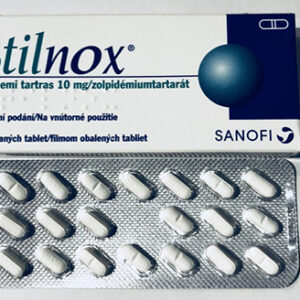

Sleep plays a vital role in maintaining physical health, emotional balance, and cognitive performance. However, millions of people worldwide struggle with insomnia—difficulty falling asleep, staying asleep, or both. One of the most commonly prescribed medications for short-term insomnia is Ambien.
This in-depth guide provides a comprehensive look at Ambien, including how it works, its uses, dosage, risks, safety considerations, and the latest research findings. The goal is to help you understand this medication clearly so you can make informed decisions about your sleep health.
What Is Ambien?
Ambien is a prescription sleep medication whose generic name is Zolpidem. It belongs to a class of drugs known as sedative–hypnotics, which are specifically designed to help people fall asleep.
Unlike older sleep medications such as benzodiazepines, Ambien is classified as a non-benzodiazepine hypnotic. This means it has a different chemical structure but works in a somewhat similar way—by calming brain activity.
Ambien is primarily intended for short-term treatment of insomnia, especially for people who have trouble falling asleep (sleep-onset insomnia). It is not typically the first-line treatment for chronic insomnia, where long-term strategies like behavioral therapy are often preferred.
Medical Purpose of Ambien
The main purpose of Ambien is to improve sleep by helping individuals fall asleep more quickly. It may also help some people stay asleep longer, depending on the formulation used.
Doctors prescribe Ambien for:
-
Acute or short-term insomnia
-
Temporary disruptions in sleep patterns (such as travel or schedule changes)
Ambien is usually recommended for short durations (1–2 weeks) because long-term use increases the risk of dependence and reduced effectiveness.
How Ambien Works (Mechanism of Action)
Understanding how Ambien works can help explain both its benefits and its risks.
The Role of GABA in Sleep
Ambien works by affecting a neurotransmitter in the brain called GABA (gamma-aminobutyric acid). GABA is the brain’s primary inhibitory chemical, meaning it slows down nerve activity.
When GABA activity increases:
-
Brain activity decreases
-
The body relaxes
-
Sleep becomes easier to initiate
Selective Action on GABA Receptors
What makes zolpidem unique is its selective binding to certain GABA-A receptors, particularly those involved in sleep regulation.
This selectivity:
-
Promotes sleep without strong muscle relaxation
-
Reduces anxiety-related effects compared to benzodiazepines
-
Lowers (but does not eliminate) the risk of dependency
Because of this targeted action, Ambien is effective for inducing sleep quickly—often within 15 to 30 minutes.
Common Uses and Indications
Ambien is widely used in clinical practice, mainly for sleep-related issues.
Short-Term Insomnia
This is the most common use. Ambien helps people who:
-
Lie awake for long periods before falling asleep
-
Experience difficulty initiating sleep
Stress-Related Sleep Problems
Temporary life events such as:
-
Work pressure
-
Emotional distress
-
Major life changes
can disrupt sleep. Ambien may be used briefly during these periods.
Jet Lag and Travel
Doctors sometimes prescribe Ambien for individuals experiencing sleep disturbances due to:
-
Crossing time zones
-
Irregular travel schedules
Ambien for Insomnia: Uses, Access, and Safety Considerations
Struggling to fall asleep or stay asleep through the night can affect every part of your day. Ambien is a widely prescribed sleep aid designed to support faster sleep onset and improve overall rest quality when used under proper medical guidance.
If you’re looking for a convenient and reliable way to buy Ambien online, it’s important to choose a trusted source that prioritizes safety, authenticity, and secure transactions. A legitimate provider will ensure proper handling, discreet packaging, and fast shipping so you can focus on getting the rest you need without unnecessary delays.
As a prescription medication, Ambien should always be used responsibly and according to professional advice. When combined with healthy sleep habits, it can be an effective option for short-term insomnia relief. Many people prefer online options for their ease, privacy, and accessibility—especially when dealing with ongoing sleep challenges.
Choosing to buy Ambien online from a reputable platform means you can access quality support, clear information, and dependable service—all essential for a safe and confident experience. Prioritize your sleep, and take a step toward better nights and more energized days.
Shift Work Sleep Disorder (Off-Label)
In some cases, Ambien may be used for people who work night shifts or rotating schedules, though this is considered an off-label use.
Dosage Guidelines and Forms Available
Ambien is available in several formulations to suit different sleep needs.
Forms of Ambien
-
Immediate-release tablets: Help with falling asleep
-
Extended-release (Ambien CR): Help with both falling and staying asleep
-
Sublingual tablets: Dissolve under the tongue for faster action
-
Oral spray: Convenient alternative delivery method
Typical Dosages
Adults
-
Standard dose: Ambien 5mg to Ambien 10mg taken once nightly
Women
-
Usually start at 5 mg due to slower drug clearance
Older Adults
-
Recommended dose: 5 mg to reduce side effects
Important Usage Instructions
-
Take just before bedtime
-
Ensure 7–8 hours of sleep time available
-
Avoid taking after meals, especially heavy meals
-
Do not take more than one dose per night
Potential Side Effects and Risks
While Ambien is effective, it can cause side effects ranging from mild to serious.
Common Side Effects
-
Drowsiness
-
Dizziness
-
Headache
-
Nausea
-
Dry mouth
These are usually temporary and may decrease as the body adjusts.
Serious Side Effects
Less common but more concerning effects include:
-
Memory loss (amnesia)
-
Confusion
-
Hallucinations
-
Mood changes (including depression)
Complex Sleep Behaviors
One of the most notable risks associated with Ambien is complex sleep behavior, where individuals perform activities while not fully awake.
Examples include:
-
Sleep-driving
-
Eating or talking without memory
These behaviors can be dangerous and require immediate discontinuation of the medication.
Precautions, Warnings, and Contraindications
Ambien is not suitable for everyone. Certain individuals should use caution or avoid it altogether.
Who Should Avoid Ambien
-
People with a history of substance abuse
-
Individuals with severe liver impairment
-
Those with untreated sleep apnea
-
Patients with severe respiratory issues
Warnings
-
May cause next-day impairment (especially with higher doses)
-
Increased risk of falls in older adults
-
Potential for dependence with prolonged use
Pregnancy and Breastfeeding
-
Use only if clearly necessary during pregnancy
-
Small amounts may pass into breast milk
Always consult a healthcare provider before use in these situations.
Interactions with Other Medications and Substances
Ambien can interact with several substances, increasing risks.
Alcohol
Combining Ambien with alcohol can:
-
Intensify sedation
-
Suppress breathing
-
Increase risk of accidents or unusual behaviors
Other Medications
Central Nervous System Depressants
-
Opioids
-
Benzodiazepines
-
Antidepressants
Additional Interactions
-
Antihistamines (commonly found in allergy medications)
-
Muscle relaxants
-
Certain antibiotics and antifungals
These interactions may increase drowsiness or slow breathing, making them potentially dangerous.
Tips for Safe Use
Using Ambien responsibly is key to minimizing risks and maximizing benefits.
Best Practices
-
Take only as prescribed
-
Avoid alcohol and recreational drugs
-
Do not drive after taking the medication
-
Use for the shortest duration possible
Improving Sleep Naturally
To enhance results and reduce reliance on medication:
-
Maintain a consistent sleep schedule
-
Limit screen time before bed
-
Avoid caffeine late in the day
-
Create a relaxing bedtime routine
Dependence, Tolerance, and Withdrawal
Is Ambien Habit-Forming?
Yes, Ambien can be habit-forming, particularly with long-term use or misuse.
Tolerance
Over time, the body may require higher doses to achieve the same effect.
Dependence
Some individuals may feel unable to sleep without the medication.
Withdrawal Symptoms
Stopping Ambien suddenly may lead to:
-
Rebound insomnia
-
Anxiety
-
Irritability
-
Sweating
-
Restlessness
Safe Discontinuation
-
Gradual tapering under medical supervision
-
Behavioral therapies such as CBT-I
-
Lifestyle adjustments to support natural sleep
Frequently Asked Questions (FAQs)
How quickly does Ambien work?
Most people fall asleep within 15–30 minutes after taking it.
Can I take Ambien every night?
It is generally intended for short-term use unless advised by a doctor.
Is Ambien addictive?
It can be habit-forming if used improperly or for extended periods.
Can I drink alcohol while taking Ambien?
No, combining the two can be dangerous.
What happens if I miss a dose?
Skip the dose if you cannot get a full night’s sleep.
Does Ambien treat anxiety?
No, it is primarily a sleep aid, not an anxiety medication.
Can older adults take Ambien?
Yes, but at lower doses due to increased sensitivity to side effects.
Recent Research and Clinical Findings
Research continues to explore both the benefits and risks of zolpidem.
Long-Term Use Risks
Studies suggest:
-
Increased risk of cognitive decline with prolonged use
-
Higher likelihood of falls and injuries in older adults
Gender-Specific Findings
Women process zolpidem more slowly, which can result in:
-
Higher blood levels
-
Greater next-day drowsiness
This has led to updated dosing recommendations.
Complex Sleep Behaviors
Ongoing research aims to understand why certain individuals experience unusual sleep-related behaviors while taking Ambien.
Non-Drug Alternatives
There is growing emphasis on non-pharmacological treatments such as:
-
Cognitive Behavioral Therapy for Insomnia (CBT-I)
-
Mindfulness and relaxation techniques
-
Sleep hygiene education
These approaches may provide long-term benefits without medication risks.
Conclusion
Ambien is a widely used and effective medication for short-term treatment of insomnia. By targeting specific brain receptors involved in sleep, it helps individuals fall asleep quickly and improve sleep quality.
However, it is not without risks. Side effects, potential dependence, and interactions with other substances highlight the importance of using Ambien responsibly and under medical supervision.
For many people, the best approach combines:
-
Short-term medication use (if needed)
-
Healthy sleep habits
-
Behavioral therapies for long-term improvement
Understanding both the benefits and limitations of Ambien allows individuals to make informed decisions and prioritize their overall sleep health.