
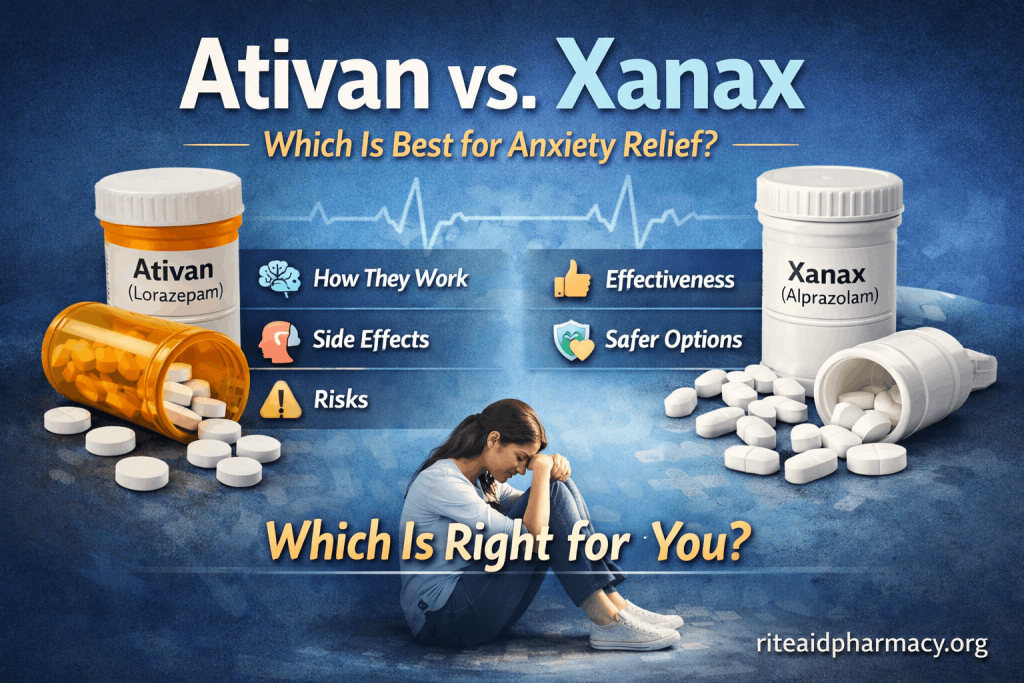
Anxiety is one of the most common mental health challenges today, affecting millions of people worldwide. When anxiety strikes, finding the right treatment can feel overwhelming. This is where medications like Ativan and Xanax come into play. Many people often ask: “Ativan vs. Xanax: which one is actually better for my anxiety?”
In order to answer this, it helps to understand how these medications work, their potential benefits, side effects, and how to use them safely. In this guide, we’ll take a close look at Ativan vs. Xanax: exploring their differences, how they affect your mental health, the risks of dependence, withdrawal considerations, and even natural ways to manage anxiety alongside medication. By the end, you’ll have a clearer picture of which option may suit your needs best.
Understanding Anxiety Disorders
Types of Anxiety Disorders
Anxiety disorders are more than everyday stress—they are chronic conditions that can significantly impair daily life. Common types include:
- Generalized Anxiety Disorder (GAD): Persistent worry about routine activities.
- Panic Disorder: Sudden, intense episodes of fear and physical symptoms.
- Social Anxiety Disorder: Fear of social situations or performance scenarios.
- Specific Phobias: Irrational fears of particular objects or situations.
- Post-Traumatic Stress Disorder (PTSD): Anxiety triggered by past trauma.
Common Symptoms
Symptoms may be physical, emotional, or behavioral:
- Rapid heartbeat or palpitations
- Shortness of breath
- Muscle tension or tremors
- Difficulty concentrating
- Irritability
- Persistent worry
- Sleep disturbances such as insomnia
- Fatigue and brain fog
Understanding these symptoms is essential to choosing the right medication and lifestyle strategies.
What Are Ativan and Xanax?
Ativan vs. Xanax: Both belong to the benzodiazepine class of medications, which enhance the neurotransmitter GABA to calm overactive brain signals.
Ativan (Lorazepam)
- Used for short-term relief of anxiety
- Slower onset but longer duration
- Helpful for panic attacks, acute anxiety episodes, and insomnia caused by anxiety
Xanax (Alprazolam)
- Rapid-acting, often used for sudden panic attacks
- Shorter duration of action than Ativan
- Effective in managing both generalized anxiety and acute panic
How Ativan and Xanax Work
| Feature | Ativan | Xanax |
|---|---|---|
| Class | Benzodiazepine | Benzodiazepine |
| Onset | 20–30 minutes | 15–20 minutes |
| Duration | 6–8 hours | 4–6 hours |
| Common Uses | Chronic anxiety, insomnia | Panic attacks, acute anxiety |
| Half-life | 10–20 hours | 11–16 hours |
| Dependency Risk | Moderate | High |
| Ideal Use | Sustained relief | Rapid relief of acute symptoms |
Both medications slow down nerve activity in the central nervous system, producing a calming effect. The choice depends on how quickly relief is needed and how long it should last.
Benefits of Ativan vs. Xanax for Anxiety
Ativan
- Longer-lasting relief for chronic anxiety
- Improves sleep quality for anxiety-related insomnia
- Suitable for generalized anxiety and panic disorder
Xanax
- Rapid onset of action for sudden panic
- Effective in short-term anxiety management
- Convenient for situations requiring immediate relief
Side Effects and Risks
Common Side Effects
- Drowsiness or fatigue
- Dizziness or lightheadedness
- Dry mouth
- Mild memory problems
- Impaired coordination
Serious Risks
- Respiratory depression, especially when combined with alcohol
- Severe drowsiness or confusion
- Low blood pressure
- Cognitive impairment with long-term use
- Increased fall risk in older adults
Dependency and Withdrawal
Ativan vs. Xanax: Both medications carry risk of dependency.
- Xanax: Higher potential for addiction due to rapid onset
- Ativan: Moderate risk but still requires caution
- Withdrawal symptoms may include:
- Rebound anxiety
- Insomnia
- Irritability or mood swings
- Tremors or shaking
- Nausea
- In severe cases, seizures
Tapering off under medical supervision is essential to prevent withdrawal complications.
Dosage Guidelines
Dosage varies based on severity, age, and individual needs.
| Medication | Typical Adult Dose |
|---|---|
| Ativan | 1–3 mg daily in divided doses |
| Xanax | 0.25–0.5 mg, 2–3 times daily |
Always follow your healthcare provider’s guidance. Self-adjusting doses can increase risks of dependency and side effects.
Mental Health Impacts of Ativan and Xanax
Sleep and Insomnia
- Both medications may temporarily improve sleep, especially in patients with anxiety-induced insomnia.
- Long-term use can disrupt natural sleep cycles.
Mood and Cognitive Effects
- Chronic use may lead to mood swings, emotional blunting, or cognitive slowing.
- Anxiety disorders themselves can exacerbate fatigue, irritability, and concentration difficulties.
Interaction with Depression
- Benzodiazepines can sometimes mask depressive symptoms without addressing the root cause.
- Monitoring by a healthcare provider is essential for combined mental health conditions.
Natural Remedies and Self-Care for Anxiety
While medications are effective, combining them with self-care and lifestyle strategies maximizes long-term outcomes.
Lifestyle Strategies
- Regular physical activity
- Yoga, meditation, and mindfulness practices
- Balanced sleep schedule
- Avoid alcohol and limit caffeine
- Deep breathing and relaxation exercises
Diet and Nutrition
- Omega-3 rich foods: salmon, walnuts
- Leafy greens, berries, and antioxidant-rich foods
- Reduce processed foods, refined sugar, and trans fats
Therapy and Counseling
- Cognitive Behavioral Therapy (CBT)
- Exposure therapy for phobias or panic
- Support groups and peer counseling
Supplements (Under Medical Guidance)
- Magnesium
- L-theanine
- Valerian root
Choosing Between Ativan vs. Xanax
- Xanax: Best for rapid relief of sudden panic attacks
- Ativan: Better for longer-lasting, chronic anxiety management
- Combined approach: May be used with therapy or SSRIs for comprehensive treatment
The choice is highly individualized. Always discuss risks, benefits, and alternatives with a healthcare provider.
FAQs About Ativan vs. Xanax
- Can I take Ativan and Xanax together?
- Usually not recommended; increases sedation and respiratory risk.
- Which works faster?
- Xanax works within 15–20 minutes; Ativan works in 20–30 minutes.
- Are there natural alternatives?
- Yes: exercise, mindfulness, therapy, dietary adjustments.
- Can these medications cause insomnia?
- Short-term use may improve sleep, but long-term misuse can disrupt sleep patterns.
- What are the long-term risks?
- Dependency, tolerance, cognitive decline, and risk of falls in elderly patients.
- Which is safer for older adults?
- Ativan Online is sometimes preferred for slower onset, but caution is necessary for all benzodiazepines.
- How do I safely discontinue these medications?
- Gradual tapering under medical supervision is essential to prevent withdrawal symptoms.
Conclusion
Ativan vs. Xanax: Both medications are effective for anxiety when used responsibly.
- Xanax: Rapid relief for acute panic
- Ativan: Longer-lasting, better for chronic anxiety
- Best results: Combine medication with lifestyle changes, therapy, and natural self-care strategies.
Managing anxiety requires a holistic approach, incorporating medical supervision, mental health support, and proactive self-care for long-term relief. By understanding the differences between Ativan vs. Xanax, patients can make informed choices with their healthcare providers.

