
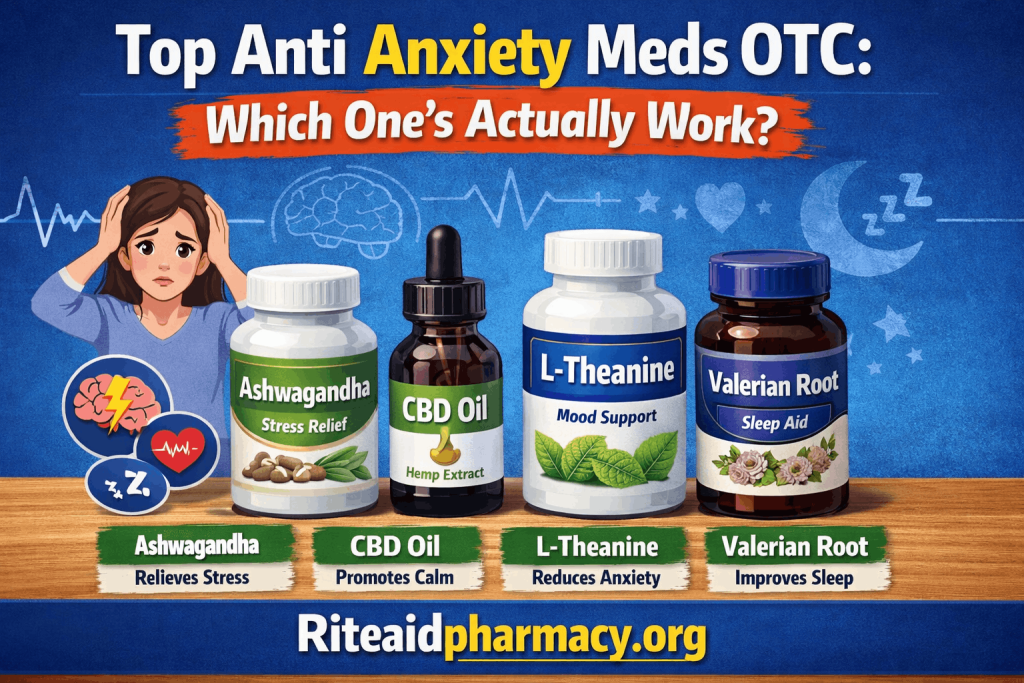
Anxiety is no longer just an occasional feeling of nervousness—it has become one of the most common health concerns worldwide. From daily stress and overthinking to intense panic attacks and sleep disturbances, millions of people are actively searching for solutions that are fast, safe, affordable, and accessible with a prescription. This is why searches for anti anxiety meds OTC, otc anxiety pills, and over the counter medicine for anxiety and depression have increased dramatically in recent years.
But here’s the truth many people don’t hear clearly:
Not all OTC anxiety solutions actually work the way people expect.
In this guide, we will explore everything—from the history of anxiety, how it begins, the evolution of treatments, and the science behind it, to a detailed breakdown of the most effective over the counter anti anxiety meds, including what works, what doesn’t, and when stronger treatments like Xanax or Ativan may be considered under medical supervision.
The History of Anxiety: From Ancient Times to Modern Medicine
Anxiety has existed as long as human beings have. It was not always called “anxiety,” but symptoms like fear, worry, restlessness, and panic have been documented for thousands of years.
In ancient Greece, Hippocrates described emotional distress as a condition linked to bodily imbalance. He believed that excess “black bile” caused melancholia—a term used to describe symptoms similar to anxiety and depression.
Later, Galen expanded on these ideas and connected emotional disturbances with physical health conditions.
By the 20th century, scientific research and institutions like the National Institutes of Health began studying anxiety biologically, leading to the development of modern medications.
Discovery of Anxiety Medications
The treatment of anxiety has evolved significantly:
Early Sedatives
- Bromides (1800s)
- Barbiturates (early 1900s)
These were effective but dangerous due to overdose risks.
Benzodiazepine Breakthrough
In the 1950s, Leo Sternbach discovered benzodiazepines, leading to medications like:
These provided rapid relief but came with risks of dependence, which is why many people today search for non addictive anxiety medicine and non narcotic anti anxiety meds.
What Causes Anxiety? (How It Starts)
Anxiety is not just “mental”—it is a full-body condition influenced by multiple factors:
Brain Chemistry
Low levels of calming neurotransmitters like GABA lead to overstimulation, which is why many otc calming meds aim to support relaxation.
Stress & Lifestyle
Modern life contributes heavily:
- Work pressure
- Lack of sleep
- High caffeine intake
This leads people to explore over the counter stress medicine.
Trauma & Emotional Factors
Past experiences, social anxiety, and performance pressure can trigger chronic anxiety.
Genetics
Some individuals are naturally more prone to anxiety disorders.
Types of Anxiety People Experience
- Generalized Anxiety Disorder (GAD)
- Panic Disorder
- Social Anxiety
- Performance Anxiety
- Travel/Flying Anxiety
Search trends show high demand for:
- over the counter medicine for flying anxiety
- best drugs for flying anxiety
- medicine for performance anxiety
What Are Anti Anxiety Meds OTC?
Anti anxiety meds OTC are non-prescription products designed to:
- Calm the nervous system
- Reduce stress
- Improve sleep
They are often searched as:
- anti anxiety otc medicine
- non prescription anti anxiety
- otc drugs for anxiety
- anxiety pills over the counter
Best OTC Anxiety Medications That Actually Work
1. L-Theanine
Promotes calm focus without sedation. Ideal for daytime anxiety and commonly included in otc anxiety pills.
2. Magnesium
Relaxes muscles and nerves. Frequently used in over the counter medicine for anxiety and depression.
3. Ashwagandha
A powerful adaptogen that lowers cortisol levels and supports stress resilience.
4. Valerian Root
Helps with sleep and nighttime anxiety.
5. Passionflower
Supports GABA activity, making it a natural calming option.
OTC Drugs That Help Indirectly
Antihistamines
- Diphenhydramine
- Doxylamine
These are commonly used as otc meds for anxiety due to their sedative effects.
Understanding Popular Anxiety Remedies and Comparisons
When it comes to managing anxiety, people often explore a variety of options—both prescription and over-the-counter—as well as natural remedies. Some common questions and comparisons come up frequently.
Can Dramamine Help with Anxiety?
Dramamine, typically used for motion sickness, can have a mild calming effect. Some people use it to ease anxiety related to travel or motion, such as during flights or long car rides. However, it’s not a primary solution for general anxiety and should not be relied on as a main treatment. Its calming effects are temporary and limited to specific situations.
Buspirone vs. Hydroxyzine
Two medications often compared are buspirone and hydroxyzine. Both are used to manage anxiety, but they work differently:
- Buspirone is a non-addictive medication suitable for long-term use. It gradually reduces anxiety symptoms over time but does not provide immediate relief.
- Hydroxyzine acts more quickly and is sedating, which makes it useful for short-term anxiety relief, such as before stressful events or for occasional panic episodes.
Understanding the difference helps individuals choose the right option based on their needs—whether they want something fast-acting or a longer-term solution.
Dog Medicine for Anxiety
Interestingly, there’s growing interest in medications for pets, especially dogs with anxiety. While some treatments exist for animals, it’s important to remember that human medications, including OTC anxiety drugs, should never be given to pets. Animal treatments are specifically formulated for their physiology, and using human medications can be dangerous.
Overall, whether considering supplements, OTC medications, or prescription drugs, it’s essential to understand how each option works, its intended use, and any potential risks. This ensures safe and effective anxiety management for both people and pets.
OTC vs Prescription Medications
| Feature | OTC Meds | Prescription Meds |
|---|---|---|
| Strength | Mild | Strong |
| Speed | Gradual | Fast |
| Risk | Low | Moderate–High |
Prescription medications like Alprazolam and Lorazepam provide faster relief but require careful use.
When OTC Meds Fall Short: Stronger Anxiety Relief
Risks, Misuse & Safety Awareness
Dangerous trends include:
- snorting lexapro
- can you snort lexapro
Medications like Lexapro must be used only as prescribed. Misuse can cause serious harm.
Anxiety Medications Without Weight Gain
Many users want an anxiety med that doesn’t cause weight gain.
OTC options like:
- L-theanine
- Magnesium
- Ashwagandha
are generally weight-neutral.
Non-Addictive Anxiety Solutions
Best non addictive anxiety medicine options:
- Herbal supplements
- Amino acids
- Lifestyle changes
These are often preferred over benzodiazepines.
Do OTC Anxiety Meds Really Work?
They Work For:
- Mild anxiety
- Stress
- Sleep issues
They Don’t Work For:
- Severe panic attacks
- Chronic anxiety disorders
Final Verdict
OTC anxiety meds do work—but only within limits.
They are best used as:
- First-line support
- Complement to therapy
- Mild symptom relief
Frequently Asked Questions (FAQs)
1. Is there an over the counter medicine for anxiety?
Yes, options like magnesium, L-theanine, and herbal supplements are commonly used as over the counter anti anxiety meds.
2. What are the best OTC anxiety pills?
The most effective otc anxiety pills include:
- L-theanine
- Ashwagandha
- Magnesium
3. Can OTC meds replace prescription anxiety medication?
No. OTC options are mild and cannot replace medications like Xanax or Ativan in severe cases.
4. What is the best medicine for flight anxiety?
Antihistamines and herbal supplements are commonly used as over the counter medicine for flying anxiety.
5. Are OTC anxiety meds safe?
Yes, when used correctly. Always follow dosage guidelines.
6. What are non prescription drugs for anxiety?
They include herbal supplements, amino acids, and antihistamines.
7. Can Dramamine help with anxiety?
It may help mild cases, especially related to motion sickness.
8. What are OTC meds for stress?
Magnesium, adaptogens, and calming supplements are popular otc meds for stress.
9. Are there pills for depression and anxiety over the counter?
Some supplements support mood, but clinical depression requires professional care.
10. What is the safest anxiety medication?
Non-addictive options like magnesium and L-theanine are considered safe.
11.What are the strongest OTC anxiety meds available?
The strongest over the counter anti anxiety meds are typically sedating antihistamines like diphenhydramine or doxylamine. While they can promote calmness and sleep, they are not designed specifically for anxiety treatment and should be used cautiously.
12. Do OTC anxiety meds work for panic attacks?
Most otc drugs for anxiety are not effective for severe panic attacks. They may help reduce mild symptoms, but intense panic episodes usually require professional treatment or prescription medication.
13. What is the best over the counter medicine for anxiety and depression?
Many people use magnesium, L-theanine, and herbal supplements as over the counter medicine for anxiety and depression, but these mainly support mild symptoms and emotional balance rather than treating clinical conditions.
14. Are there any OTC anxiety meds that work instantly?
Unlike prescription medications such as Xanax, most otc anxiety meds do not work instantly. Some antihistamines may create a calming effect within an hour, but results vary.
15. What are the best non prescription drugs for anxiety?
Top non prescription drugs for anxiety include:
- L-theanine
- Ashwagandha
- Magnesium
- Valerian root
These are widely used due to their safety and low risk of dependence.
16. Can OTC anxiety meds cause side effects?
Yes, even anti anxiety otc medicine can cause side effects such as:
- Drowsiness
- Dizziness
- Digestive discomfort
Always follow recommended dosages.
17. What are the safest OTC calming meds?
The safest otc calming meds are natural supplements like magnesium and L-theanine, which are considered gentle and well-tolerated.
18. Is there a non addictive anxiety medicine available OTC?
Yes, many non addictive anxiety medicine options exist, including herbal supplements and amino acids that do not cause dependency.
19. What is the difference between OTC and prescription anxiety meds?
OTC options provide mild relief, while prescription medications like Ativan offer stronger and faster effects for severe anxiety.
20. Can I take OTC anxiety meds daily?
Some otc anxiety pills can be taken daily, especially supplements like magnesium or ashwagandha, but long-term use should still be discussed with a healthcare provider.
Conclusion
The demand for anti anxiety meds OTC continues to grow because people want accessible, safe, and non-addictive solutions. While these options can be effective for mild anxiety, they are not a complete solution for everyone.
Understanding your symptoms, using the right tools, and knowing when to seek professional help is the key to long-term relief.

