
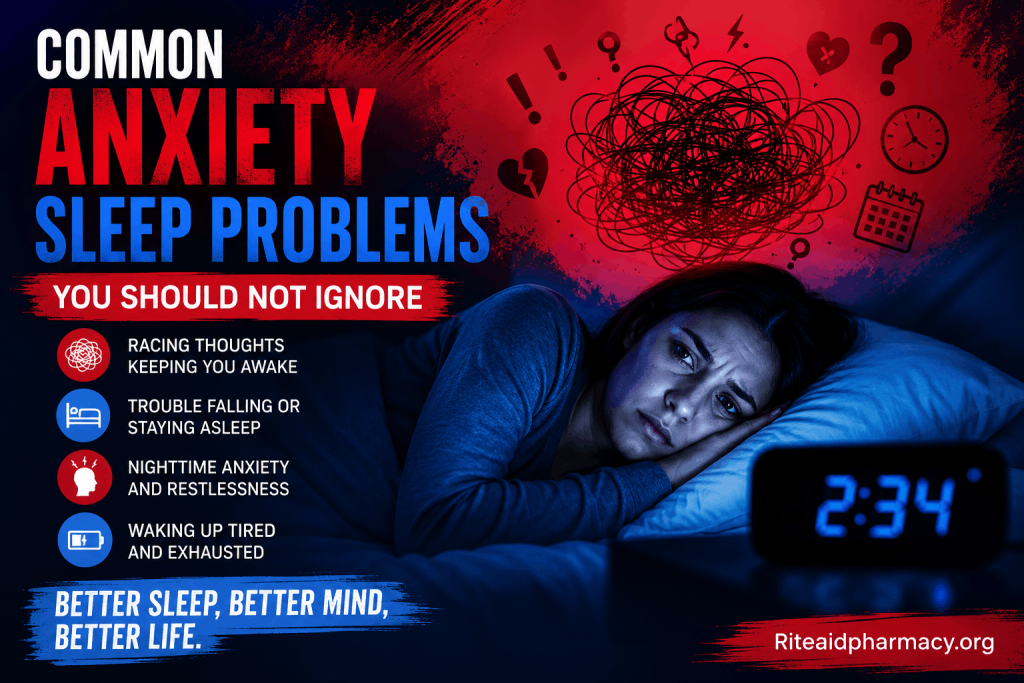
Sleep plays a major role in mental wellness, emotional balance, physical recovery, and overall health. However, millions of people silently struggle with anxiety and insomnia, often without realizing how deeply stress and emotional pressure can affect sleep quality. Anxiety and Sleep Problems Many individuals spend hours lying awake at night with racing thoughts, nervous feelings, chest tension, or overwhelming worry that prevents the body from relaxing naturally.
Over time, these nighttime symptoms can develop into severe sleep disturbances that affect work performance, emotional health, concentration, relationships, and daily energy levels. In many cases, people experiencing anxiety caused insomnia may not immediately understand the connection between their emotional stress and their inability to sleep properly.
Modern lifestyles, constant screen exposure, financial stress, emotional burnout, social pressure, and overthinking have all contributed to rising cases of anxiety causing sleep loss worldwide. Understanding how anxiety affects the brain and nervous system is important because untreated sleep problems can slowly impact both mental and physical wellness.
This guide explains the most common anxiety sleep problems, warning signs, emotional symptoms, physical effects, causes, treatments, and natural ways to improve healthy sleep patterns.
Understanding Anxiety Sleep Problems
Anxiety sleep problems refer to sleep disturbances connected to excessive stress, fear, nervousness, emotional pressure, panic, or ongoing worry. While occasional sleepless nights are common, chronic sleep disruption linked to anxiety may become a serious issue if ignored for long periods.
People dealing with anxiety induced insomnia often feel physically exhausted but mentally unable to relax. Their minds remain active even when their bodies are tired. The nervous system stays alert instead of transitioning into a calm sleep state.
Some common anxiety-related sleep symptoms include:
- Difficulty falling asleep
- Waking up multiple times during the night
- Racing thoughts before bedtime
- Fear of not being able to sleep
- Restlessness during sleep
- Nighttime panic attacks
- Light or interrupted sleep
- Morning exhaustion
- Overthinking late at night
Many people with insomnia due to anxiety also report feeling emotionally drained throughout the day because their brains never fully rest during sleep.
How Anxiety And Sleep Problem Affects
The relationship between mental stress and sleep quality is extremely powerful. Anxiety effects on sleep can impact the brain, nervous system, hormones, emotional balance, and even physical recovery.
When a person feels anxious, the body activates its natural stress response system, commonly known as the “fight or flight” response. During this process, stress hormones like cortisol and adrenaline increase alertness and keep the brain active.
While this response is helpful during real danger, chronic anxiety keeps the body in a constant state of mental alertness. This makes deep sleep difficult.
Common anxiety effects on sleep include:
- Increased heart rate
- Muscle tension
- Hypervigilance
- Difficulty relaxing
- Restless sleep
- Night waking
- Mental overstimulation
- Reduced deep sleep quality
Instead of calming down at night, the brain continues processing stress, fear, worry, and emotional tension.
This is one of the main reasons anxiety causing sleep loss has become increasingly common among adults and teenagers.
Can Anxiety Cause Insomnia?
One of the most common online questions is: can anxiety cause insomnia?
The answer is yes. Anxiety is one of the leading causes of insomnia worldwide. Persistent worry and emotional stress interfere with the brain’s ability to relax naturally before sleep.
People experiencing anxiety and insomnia often notice that bedtime becomes mentally exhausting. Instead of feeling sleepy, their minds begin replaying stressful conversations, future worries, work pressure, emotional concerns, or fear about not being able to sleep.
Individuals suffering from anxiety caused insomnia may experience:
- Difficulty sleeping for hours
- Feeling mentally alert at night
- Frequent waking during sleep
- Fear of bedtime
- Nighttime overthinking
- Emotional exhaustion
- Panic symptoms at night
The question “does anxiety cause insomnia” becomes especially clear during stressful periods such as:
- Financial pressure
- Relationship problems
- Career stress
- Health worries
- Emotional trauma
- Major life changes
When stress levels rise, sleep quality often declines rapidly.
Common Signs of Anxiety Sleep Problems
Recognizing the symptoms early may help prevent long-term sleep disorders and emotional burnout.
Racing Thoughts Before Sleep
One of the biggest signs of anxiety and insomnia is constant overthinking before bedtime. The mind continues analyzing situations, imagining future problems, or replaying past events.
People may think:
- “What if something bad happens tomorrow?”
- “Why can’t I sleep?”
- “What if I never fall asleep tonight?”
- “I have too many problems to solve.”
These mental patterns keep the brain active and delay sleep onset.
Frequent Waking During the Night
Many individuals with insomnia due to anxiety wake up repeatedly throughout the night.
Even small sounds or movements may interrupt sleep because the nervous system remains overly alert.
Some people wake up suddenly with:
- Chest tightness
- Sweating
- Fast heartbeat
- Panic sensations
- Fear or nervousness
This is common among people experiencing anxiety induced insomnia.
Feeling Exhausted After Sleeping
Another major sign of anxiety causing sleep loss is waking up tired even after spending many hours in bed.
The body may sleep lightly without entering deeper restorative sleep cycles. Poor-quality sleep prevents full physical and mental recovery.
People often describe feeling:
- Mentally drained
- Emotionally exhausted
- Foggy or unfocused
- Irritable
- Physically tired
Physical Anxiety Symptoms at Night
Mental stress can create powerful physical reactions that affect sleep quality.
Common nighttime symptoms include:
- Muscle tension
- Sweating
- Fast heartbeat
- Chest discomfort
- Restlessness
- Headaches
- Stomach discomfort
- Shaking sensations
These symptoms are often connected to anxiety effects on sleep and nervous system activation.
Fear of Bedtime
Many individuals begin fearing bedtime itself because they expect another sleepless night.
This creates a harmful cycle where anxiety about sleep becomes the reason sleep becomes difficult.
Fear-based sleep anxiety is extremely common among people with chronic anxiety and insomnia.
Why Anxiety Causing Sleep Loss Is Increasing
Modern lifestyles have dramatically increased mental stress levels. Many people live in constant emotional stimulation without enough time for true mental recovery.
Factors contributing to anxiety causing sleep loss include:
- Social media overload
- Work burnout
- Financial instability
- Emotional pressure
- Chronic stress
- Screen addiction
- Relationship problems
- Lack of physical activity
- Poor sleep habits
- Constant overstimulation
The brain rarely gets enough quiet time to fully relax before bedtime.
The Dangerous Cycle of Anxiety and Insomnia
The connection between anxiety and insomnia often becomes cyclical.
Step 1:
Stress and anxiety make sleep difficult.
Step 2:
Poor sleep increases emotional sensitivity.
Step 3:
The brain becomes more reactive to stress.
Step 4:
Anxiety symptoms worsen.
Step 5:
Sleep quality declines further.
Over time, chronic insomnia due to anxiety may affect:
- Mental health
- Emotional regulation
- Immune function
- Hormonal balance
- Memory
- Productivity
- Mood stability
Breaking this cycle often requires improving both emotional wellness and sleep habits together.
Can Stress Kill You in Your Sleep?
Many people experiencing nighttime panic ask: can stress kill you in your sleep?
Stress itself usually does not directly cause death during sleep. However, chronic stress and severe anxiety may contribute to serious long-term health problems that affect the body over time.
Ongoing stress and sleep deprivation may increase risks associated with:
- High blood pressure
- Heart disease
- Depression
- Panic disorders
- Weakened immunity
- Hormonal imbalance
People experiencing severe panic symptoms may wake up suddenly feeling unable to breathe or feeling chest tightness. While these symptoms can feel frightening, they are often connected to the body’s stress response system.
Anyone experiencing severe chest pain, breathing problems, or intense panic symptoms should seek medical evaluation.
Emotional Effects of Anxiety Sleep Problems
Long-term anxiety induced insomnia affects emotional wellness significantly.
Common emotional symptoms include:
- Irritability
- Mood swings
- Emotional exhaustion
- Depression symptoms
- Feeling overwhelmed
- Increased fear
- Reduced concentration
- Low motivation
Sleep deprivation weakens emotional resilience and increases sensitivity to stress.
Physical Effects of Chronic Sleep Loss
Ignoring anxiety causing sleep loss for long periods may affect physical health too.
Potential physical effects include:
- Chronic fatigue
- Increased inflammation
- Weak immune system
- Hormonal imbalance
- Weight changes
- Headaches
- Digestive issues
- High cortisol levels
The body needs deep sleep for repair, healing, memory processing, and nervous system recovery.
Anxiety Induced Insomnia in Adults
Adults commonly experience anxiety induced insomnia due to demanding lifestyles and emotional pressure.
Common adult triggers include:
- Work stress
- Financial pressure
- Parenting stress
- Health concerns
- Relationship problems
- Burnout
- Emotional trauma
Many adults continue functioning despite severe sleep deprivation, but eventually emotional and physical exhaustion becomes difficult to manage.
Anxiety Sleep Problems in Teenagers
Teenagers are increasingly affected by anxiety and insomnia due to modern social and academic pressures.
Common causes include:
- School pressure
- Social anxiety
- Screen overuse
- Fear of failure
- Online comparison
- Emotional stress
Poor sleep during teenage years may affect:
- Focus
- Emotional development
- Academic performance
- Mental wellness
How Overthinking Causes Insomnia
Overthinking is one of the strongest contributors to insomnia due to anxiety.
When the brain constantly analyzes future fears or past events, relaxation becomes difficult. Mental overstimulation delays melatonin production and keeps the nervous system active.
People struggling with overthinking often experience:
- Delayed sleep
- Light sleeping
- Frequent waking
- Emotional exhaustion
- Racing thoughts
Learning to calm mental activity before bedtime can improve sleep quality significantly.
Best Ways to Treat Insomnia and Anxiety
Many people search online for ways to treat insomnia and anxiety naturally and safely.
Treatment depends on symptom severity, lifestyle habits, emotional health, and underlying stress factors.
Create a Consistent Sleep Routine
Maintaining regular sleep and wake times helps regulate the body clock naturally.
Consistency improves healthy sleep rhythms.
Reduce Screen Exposure Before Bed
Phones, tablets, and computers emit blue light that may interfere with melatonin production.
Reducing screen exposure before sleep may help improve relaxation.
Practice Relaxation Techniques
Relaxation methods may include:
- Deep breathing
- Meditation
- Guided relaxation
- Calm music
- Journaling
- Progressive muscle relaxation
These practices help calm the nervous system and reduce anxiety effects on sleep.
Exercise Regularly
Physical movement supports stress reduction and emotional balance.
Regular exercise may improve:
- Sleep quality
- Mood stability
- Nervous system regulation
- Stress management
Limit Caffeine and Stimulants
Caffeine may worsen anxiety and insomnia, especially later in the day.
Reducing stimulants may improve sleep quality for some individuals.
Consider Professional Therapy
Therapy can help individuals manage chronic worry, panic attacks, emotional trauma, and severe anxiety caused insomnia.
Cognitive behavioral therapy is commonly used for anxiety-related sleep problems.
Seek Medical Evaluation if Necessary
Persistent sleep problems should not be ignored. Medical support may help identify underlying mental health conditions or sleep disorders.
Natural Ways to Improve Sleep and Reduce Anxiety
Some people explore natural wellness approaches to help manage anxiety causing sleep loss.
Popular relaxation methods include:
- Herbal teas
- Mindfulness practices
- Aromatherapy
- Magnesium support
- Meditation
- Sleep hygiene improvements
- Evening relaxation routines
Results vary depending on individual health needs and symptom severity.
Healthy Sleep Hygiene for Anxiety
Good sleep hygiene supports healthier nighttime routines.
Helpful sleep habits include:
- Keeping the bedroom dark and cool
- Avoiding heavy meals before bed
- Limiting late-night work
- Reducing noise and distractions
- Following calming bedtime routines
- Avoiding overstimulation at night
Healthy habits help the brain associate bedtime with safety and relaxation instead of stress.
When Anxiety Sleep Problems Become Serious
Occasional stress-related sleep problems are common. However, chronic symptoms should not be ignored.
Warning signs include:
- Sleeplessness lasting several weeks
- Severe exhaustion
- Daily panic symptoms
- Emotional instability
- Trouble functioning normally
- Persistent nighttime anxiety
Long-term anxiety induced insomnia may require professional support and treatment.
Treatment Options for Severe Anxiety Sleep Problems
People struggling with chronic anxiety and insomnia sometimes discuss prescription sleep and anxiety medications with licensed healthcare providers when lifestyle changes and natural methods are not enough. In online searches related to nighttime panic, stress, and anxiety causing sleep loss, many users look for information about medications like Ambien (zolpidem) for sleep support and Xanax (alprazolam) for short-term anxiety management. Search phrases such as “buy Ambien online,” “order Ambien for insomnia,” “buy Xanax online,” or “Xanax for anxiety sleep problems” are commonly searched by individuals trying to understand available treatment options. However, these medications carry important safety considerations and should only be used under proper medical supervision because misuse, dependency, and side effects may occur. Safe treatment plans for anxiety induced insomnia usually involve a combination of medical guidance, sleep hygiene, stress management, and mental wellness support.
Final Thoughts
Millions of people struggle silently with anxiety and insomnia, often without understanding how strongly emotional stress affects sleep quality. From racing thoughts and nighttime panic to chronic exhaustion and emotional burnout, untreated sleep problems may slowly impact both mental and physical wellness.
Understanding the connection between anxiety caused insomnia, stress, and emotional health is important for recognizing symptoms early and improving long-term well-being.
Whether someone experiences mild stress-related sleep issues or severe insomnia due to anxiety, improving sleep often requires a combination of emotional support, healthy routines, stress management, and proper self-care.
Learning how to properly treat insomnia and anxiety may help restore healthier sleep patterns, emotional balance, mental clarity, and overall quality of life.
Frequently Asked Questions (FAQs)
Can anxiety cause insomnia every night?
Yes. Chronic anxiety may lead to ongoing insomnia, especially when stress levels remain high for long periods.
Does anxiety cause insomnia suddenly?
Yes. Emotional trauma, panic attacks, work stress, or major life changes may trigger sudden insomnia symptoms.
What are the signs of anxiety caused insomnia?
Common signs include racing thoughts, fear of bedtime, frequent waking, nighttime panic, restlessness, and daytime exhaustion.
Can stress kill you in your sleep?
Stress itself usually does not directly cause death during sleep, but chronic stress may contribute to long-term health risks affecting the heart and nervous system.
How can I treat insomnia and anxiety naturally?
Helpful approaches may include meditation, exercise, relaxation techniques, therapy, reducing caffeine, and improving sleep hygiene.
Why does anxiety get worse at night?
Nighttime often becomes quieter with fewer distractions, allowing worries and overthinking to feel stronger.
What is anxiety induced insomnia?
Anxiety induced insomnia refers to sleep difficulties directly connected to stress, fear, worry, panic, or emotional tension.
Can poor sleep make anxiety worse?
Yes. Sleep deprivation increases emotional sensitivity and may worsen anxiety symptoms over time.
How long does insomnia due to anxiety last?
The duration varies depending on stress levels, emotional health, sleep habits, and treatment approaches.
When should I seek help for anxiety sleep problems?
Professional support may help if sleep issues continue for several weeks, interfere with daily life, or cause severe emotional distress.

