
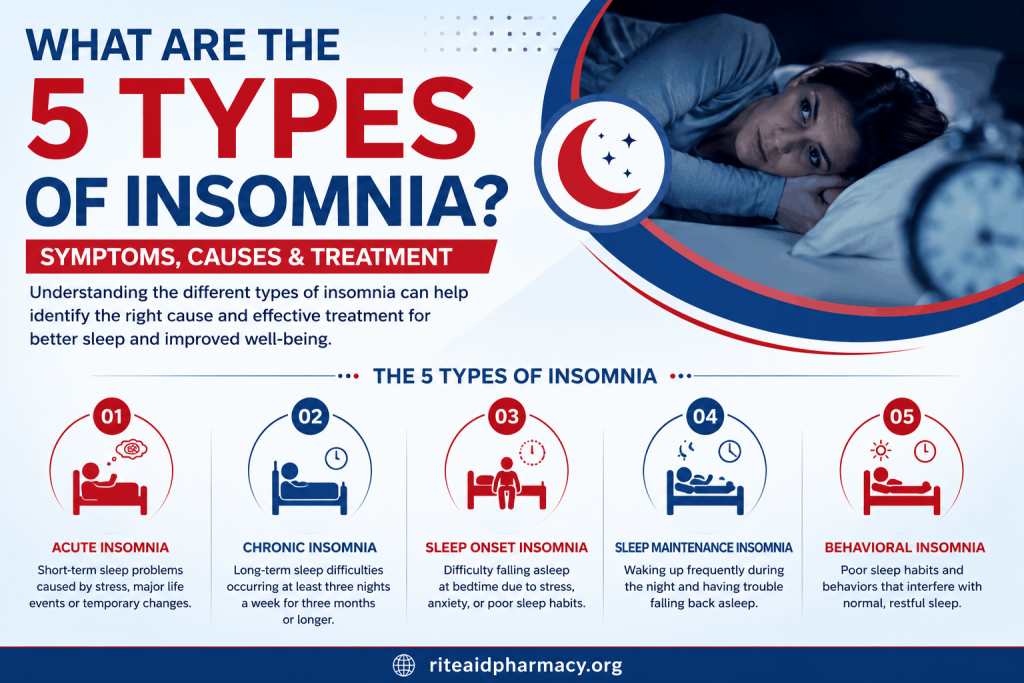
Sleep is one of the most important pillars of overall health; however, millions of people struggle to get the rest they need. Insomnia is among the most common sleep disorders worldwide, affecting people of all ages and backgrounds. Whether it’s difficulty falling asleep, waking up repeatedly during the night, or feeling exhausted despite spending enough time in bed, insomnia can have a significant impact on physical health, mental well-being, and daily performance. Many people ask, what are the 5 types of insomnia, and how do they differ from one another?
Understanding the different forms of insomnia is essential because each type has unique symptoms, causes, and treatment approaches. Furthermore, identifying the specific type of insomnia affecting an individual can help guide effective management and improve sleep quality. Identifying the specific type of insomnia affecting an individual can help guide effective management and improve sleep quality.
If you have ever wondered how many types of insomnia are there, the answer depends on how sleep specialists classify the condition. However, the most commonly discussed categories include acute insomnia, chronic insomnia, sleep onset insomnia, sleep maintenance insomnia, and behavioral insomnia. These represent some of the common types of insomnia disorders that healthcare providers encounter regularly.
Understanding Insomnia and Sleep Problems
Insomnia is more than just an occasional sleepless night. It is a recognized insomnia disorder characterized by persistent difficulty with sleep despite having adequate opportunity to rest. People with insomnia may struggle to fall asleep, stay asleep, wake up too early, or experience non-restorative sleep that leaves them feeling tired during the day.
Common Insomnia Symptoms
The symptoms of insomnia can vary depending on the individual and the type of insomnia they experience. Some of the most common insomnia symptoms include:
- Difficulty falling asleep at bedtime
- Frequent awakenings during the night
- Waking up too early in the morning
- Feeling unrefreshed after sleep
- Daytime fatigue or sleepiness
- Difficulty concentrating
- Memory problems
- Mood changes, including irritability and anxiety
- Reduced productivity and performance
These symptoms can range from mild and occasional to severe and chronic. Understanding the signs of insomnia disorder is an important first step toward finding appropriate treatment.
Why Sleep Matters
Sleep plays a crucial role in nearly every aspect of health. During sleep, the body repairs tissues, regulates hormones, consolidates memories, and supports immune function. Chronic sleep deprivation can increase the risk of:
- High blood pressure
- Heart disease
- Obesity
- Type 2 diabetes
- Depression and anxiety
- Impaired cognitive function
Because of these potential health consequences, identifying and addressing insomnia is essential for long-term well-being.
How Many Types of Insomnia Are There?
One of the most frequently asked questions is, how many types of insomnia are there? While there are several ways to classify insomnia, sleep specialists commonly discuss five major categories:
- Acute Insomnia
- Chronic Insomnia
- Sleep Onset Insomnia
- Sleep Maintenance Insomnia
- Behavioral Insomnia
These categories represent different patterns of sleep disruption and may have distinct causes and treatment approaches.
Why Classification Matters
Understanding the specific type of insomnia can help healthcare providers determine the underlying cause and recommend appropriate interventions. For example, someone with sleep onset insomnia may benefit from strategies that address anxiety and bedtime routines, while someone with sleep maintenance insomnia may need evaluation for medical conditions that disrupt sleep continuity.
The 5 Types of Insomnia
1. Acute Insomnia
Acute insomnia is a short-term sleep problem that typically lasts for a few days to a few weeks. It is often triggered by a stressful event or temporary life change.
Common Acute Insomnia Causes
- Work-related stress
- Relationship issues
- Financial concerns
- Travel and jet lag
- Illness
- Major life transitions
Symptoms of Acute Insomnia
- Difficulty falling asleep
- Restless sleep
- Nighttime awakenings
- Temporary daytime fatigue
Acute insomnia often resolves once the triggering factor is addressed.
2. Chronic Insomnia
Chronic insomnia is a long-term sleep disorder that occurs at least three nights per week for three months or longer.
Common Chronic Insomnia Causes
- Anxiety disorders
- Depression
- Chronic pain conditions
- Sleep apnea
- Poor sleep habits
Symptoms of Chronic Insomnia
- Persistent sleep difficulties
- Daytime fatigue
- Irritability
- Memory problems
- Reduced concentration
Acute and Chronic Insomnia Differences
One of the key distinctions between acute and chronic insomnia is duration. Acute insomnia is short-term and often linked to temporary stressors, whereas chronic insomnia persists for months and may require professional treatment.
3. Sleep Onset Insomnia
the Sleep onset insomnia refers to difficulty falling asleep at bedtime.
Sleep Onset Insomnia Causes
- Anxiety
- Stress
- Excessive screen time
- Caffeine consumption
- Irregular sleep schedules
Symptoms
- Lying awake for long periods
- Racing thoughts
- Difficulty relaxing
- Delayed sleep onset
4. Sleep Maintenance Insomnia
The Sleep maintenance insomnia occurs when a person falls asleep but struggles to stay asleep throughout the night.
Sleep Maintenance Insomnia Symptoms
- Frequent awakenings
- Difficulty returning to sleep
- Fragmented sleep
- Early morning waking
5. Behavioral Insomnia
Behavioral insomnia is linked to habits and behaviors that interfere with healthy sleep.
Causes
- Inconsistent sleep schedules
- Excessive daytime naps
- Screen use before bed
- Poor sleep environment
Symptoms
- Difficulty initiating sleep
- Irregular sleep patterns
- Daytime fatigue
Different Insomnia Types and Symptoms
Each type of insomnia presents differently, but all can significantly impact quality of life. Understanding different insomnia types and symptoms can help individuals recognize patterns in their sleep difficulties and seek appropriate support.
Common Causes of Insomnia
To fully understand the 5 types of insomnia, it is important to examine the factors that commonly contribute to sleep disturbances. While the symptoms may appear similar, the underlying causes often vary from person to person.
Understanding insomnia causes can help individuals identify triggers and work toward effective treatment strategies.
Stress and Emotional Distress
Stress is one of the leading contributors to insomnia. When people experience ongoing stress, the body remains in a heightened state of alertness that can make it difficult to relax and fall asleep.
Common stress-related triggers include:
- Work pressures
- Financial concerns
- Relationship difficulties
- Academic demands
- Family responsibilities
- Major life changes
Even positive life events such as a new job, marriage, or moving to a new home can temporarily disrupt sleep patterns.
Anxiety Disorders
Anxiety and insomnia frequently occur together. Individuals with anxiety may experience:
- Racing thoughts
- Excessive worrying
- Restlessness
- Difficulty relaxing
These symptoms often contribute to sleep onset insomnia, making it difficult to fall asleep at bedtime.
Depression and Mental Health Conditions
Mental health conditions can significantly affect sleep quality. Depression is commonly associated with:
- Difficulty sleeping
- Frequent nighttime awakenings
- Early morning waking
- Excessive sleeping in some cases
Many people experiencing depression also report symptoms consistent with chronic insomnia.
Chronic Pain Conditions
Pain can make it difficult to achieve uninterrupted sleep.
Conditions commonly linked to insomnia include:
- Arthritis
- Fibromyalgia
- Back pain
- Migraines
- Neuropathy
Pain often contributes to sleep maintenance insomnia symptoms, causing individuals to wake repeatedly throughout the night.
Poor Sleep Habits
Lifestyle habits play a major role in sleep quality.
Examples include:
- Irregular sleep schedules
- Late-night screen use
- Consuming caffeine before bed
- Heavy meals late at night
- Excessive alcohol consumption
These habits are frequently associated with behavioral insomnia.
Medical Conditions
Various medical conditions may contribute to insomnia, including:
- Asthma
- Gastroesophageal reflux disease (GERD)
- Thyroid disorders
- Neurological conditions
- Heart disease
Treating the underlying condition may improve sleep quality.
Risk Factors for Insomnia Disorder
Although anyone can develop insomnia, certain factors increase the likelihood of experiencing persistent sleep difficulties.
Age
As people age, changes in sleep architecture may occur. Older adults often experience:
- Lighter sleep
- More nighttime awakenings
- Earlier wake times
These changes may increase the risk of developing insomnia.
Gender
Research suggests that women experience insomnia more frequently than men.
Potential reasons include:
- Hormonal fluctuations
- Pregnancy
- Menopause
- Increased rates of anxiety and depression
Shift Work
Shift workers often experience disruptions in their circadian rhythm.
Common challenges include:
- Difficulty falling asleep during daylight hours
- Reduced sleep duration
- Increased fatigue
Shift work is a significant risk factor for both acute and chronic insomnia.
Family History
Genetics may play a role in sleep disorders. Individuals with family members who experience insomnia may have an increased risk themselves.
Mental Health Disorders
Conditions such as anxiety, depression, post-traumatic stress disorder (PTSD), and bipolar disorder are frequently associated with insomnia symptoms.
Signs of Insomnia Disorder
Recognizing the signs of insomnia disorder can help individuals seek treatment before symptoms become chronic.
Physical Signs
- Persistent fatigue
- Daytime sleepiness
- Low energy levels
- Headaches
- Reduced physical performance
Cognitive Signs
- Poor concentration
- Memory difficulties
- Slower reaction times
- Difficulty making decisions
Emotional Signs
- Irritability
- Mood swings
- Increased stress
- Anxiety
- Frustration
Behavioral Signs
- Reliance on caffeine
- Napping excessively
- Difficulty maintaining routines
- Reduced productivity
These symptoms may worsen over time if sleep problems remain untreated.
Understanding Acute and Chronic Insomnia Differences
Many individuals searching for acute and chronic insomnia differences are trying to determine whether their sleep problems are temporary or long-term.
Acute Insomnia
Acute insomnia is:
- Short-term
- Usually linked to stress
- Often temporary
- Common after major life events
Typical Duration
A few days to several weeks.
Common Triggers
- Job stress
- Travel
- Illness
- Family conflicts
Chronic Insomnia
Chronic insomnia is:
- Persistent
- Long-lasting
- More likely to affect daily functioning
- Often associated with underlying health conditions
Typical Duration
Three months or longer.
Common Triggers
- Chronic stress
- Mental health disorders
- Medical conditions
- Long-term poor sleep habits
Understanding the distinction between acute and chronic insomnia can help determine when professional evaluation may be appropriate.
How Insomnia Affects Daily Life
Insomnia impacts more than nighttime sleep. It can affect nearly every aspect of daily functioning.
Effects on Physical Health
Sleep deprivation may contribute to:
- Weakened immune function
- Increased inflammation
- Weight gain
- Elevated blood pressure
- Cardiovascular risks
Effects on Mental Health
Insomnia and mental health are closely connected.
Sleep deprivation can worsen:
- Anxiety
- Depression
- Stress
- Emotional regulation
Likewise, mental health conditions can contribute to insomnia symptoms.
Effects on Work and Productivity
Poor sleep often leads to:
- Reduced concentration
- Lower productivity
- Increased errors
- Workplace accidents
Many people underestimate the impact sleep quality has on professional performance.
Effects on Relationships
Chronic sleep deprivation can affect:
- Communication
- Patience
- Emotional resilience
- Relationship satisfaction
Improving sleep often improves overall quality of life.
How Insomnia Is Diagnosed
Healthcare providers use several methods to diagnose insomnia and identify contributing factors.
Medical History Review
Providers often ask about:
- Sleep patterns
- Medical conditions
- Current medications
- Mental health history
Sleep Diary
A sleep diary helps track:
- Bedtimes
- Wake times
- Night awakenings
- Daytime fatigue
This information can reveal patterns contributing to sleep difficulties.
Physical Examination
A physical examination may help identify underlying medical causes.
Sleep Studies
Sleep studies are sometimes recommended when providers suspect:
- Sleep apnea
- Restless leg syndrome
- Other sleep disorders
Accurate diagnosis is essential for selecting the most effective treatment approach.
Common 5 Types of Insomnia Disorders
When discussing common types of insomnia disorders, healthcare professionals often categorize insomnia based on:
Duration
- Acute insomnia
- Chronic insomnia
Sleep Pattern
- Sleep onset insomnia
- Sleep maintenance insomnia
Behavioral Factors
These classifications help guide diagnosis and treatment planning.
Why Early Treatment Matters
Ignoring persistent sleep problems can allow symptoms to worsen over time.
Benefits of early treatment include:
- Improved sleep quality
- Better mental health
- Increased energy
- Enhanced productivity
- Reduced health risks
The sooner insomnia is addressed, the better the chances of preventing long-term complications.
The Connection Between Insomnia and Other Sleep Disorders
Insomnia often overlaps with other sleep disorders.
Common examples include:
- Sleep apnea
- Restless leg syndrome
- Circadian rhythm disorders
- Narcolepsy
Treating the underlying sleep disorder may improve insomnia symptoms.
Understanding Insomnia and Sleep Problems
Understanding 5 types of insomnia requires recognizing that sleep difficulties rarely have a single cause.
Contributors may include:
- Biological factors
- Psychological factors
- Lifestyle habits
- Environmental influences
Successful treatment typically involves addressing multiple factors rather than focusing on a single symptom.
The more individuals understand understanding insomnia and sleep problems, the better equipped they become to improve sleep quality and overall health.
Frequently Asked Questions (FAQs)
What are the 5 types of insomnia?
The 5 commonly discussed types of insomnia are acute insomnia, chronic insomnia, sleep onset insomnia, sleep maintenance insomnia, and behavioral insomnia. Each type affects sleep differently and may have unique causes and treatment approaches.
How many 5 types of insomnia are there?
There are several ways to classify insomnia. Sleep specialists often categorize insomnia based on duration, symptoms, or underlying causes. The most commonly discussed categories include acute insomnia, chronic insomnia, sleep onset insomnia, sleep maintenance insomnia, and behavioral insomnia.
What is the difference between acute and chronic insomnia?
Acute insomnia is a short-term sleep problem that typically lasts days or weeks and is often triggered by stress or life changes. Chronic insomnia occurs at least three nights per week for three months or longer and may require professional treatment.
What causes sleep onset insomnia?
Common sleep onset insomnia causes include anxiety, stress, excessive caffeine intake, irregular sleep schedules, and excessive screen exposure before bedtime.
What are common sleep maintenance insomnia symptoms?
Sleep maintenance insomnia symptoms include frequent nighttime awakenings, difficulty returning to sleep, fragmented sleep, and waking up too early in the morning.
What are the signs of insomnia disorder?
Common signs of insomnia disorder include difficulty falling asleep, difficulty staying asleep, daytime fatigue, poor concentration, memory problems, irritability, and reduced productivity.
Can anxiety cause insomnia?
Yes. Anxiety is one of the most common causes of insomnia. Excessive worrying, racing thoughts, and heightened alertness can make it difficult to fall asleep and stay asleep.
Can insomnia affect overall health?
Yes. Chronic sleep deprivation may contribute to increased risks of high blood pressure, heart disease, obesity, diabetes, anxiety, depression, and reduced immune function.
What are the best insomnia treatment options?
Treatment options may include improving sleep hygiene, Cognitive Behavioral Therapy for Insomnia (CBT-I), stress management techniques, lifestyle modifications, and medical evaluation when appropriate.
When should I seek professional help for insomnia?
You should consider consulting a healthcare professional if sleep problems persist for several weeks, occur frequently, affect daily functioning, or continue despite lifestyle changes.
Prescription Sleep Medications and Medical Guidance
In some cases, healthcare providers may 5 types of insomnia recommend prescription sleep medications as part of a comprehensive treatment plan for insomnia. Medications such as zolpidem may be considered for certain patients after a professional evaluation. Prescription sleep medications should only be used under the guidance of a licensed healthcare provider, who can assess potential benefits, risks, and appropriate duration of use.
Non-medication approaches, particularly Cognitive Behavioral Therapy for Insomnia (CBT-I), are often recommended as a first-line treatment for chronic insomnia because they address underlying sleep behaviors and can provide long-term improvements.
Conclusion
Understanding the 5 types of insomnia can help individuals recognize the underlying causes of their sleep difficulties and take appropriate steps toward improving their sleep health. Whether someone is experiencing acute insomnia, chronic insomnia, sleep onset insomnia, sleep maintenance insomnia, or behavioral insomnia, identifying the specific pattern of symptoms is often the first step toward effective treatment.
The various different insomnia types and symptoms can significantly impact physical health, emotional well-being, work performance, and quality of life. By understanding common insomnia causes, recognizing the signs of insomnia disorder, and exploring evidence-based insomnia treatment options, individuals can make informed decisions about their sleep health.
Healthy sleep habits, stress management, consistent routines, and professional medical guidance when needed can all play an important role in improving sleep quality. For persistent sleep problems, consulting a qualified healthcare professional can help determine the most appropriate treatment plan and identify any underlying conditions contributing to insomnia.

